 How we use AI in our process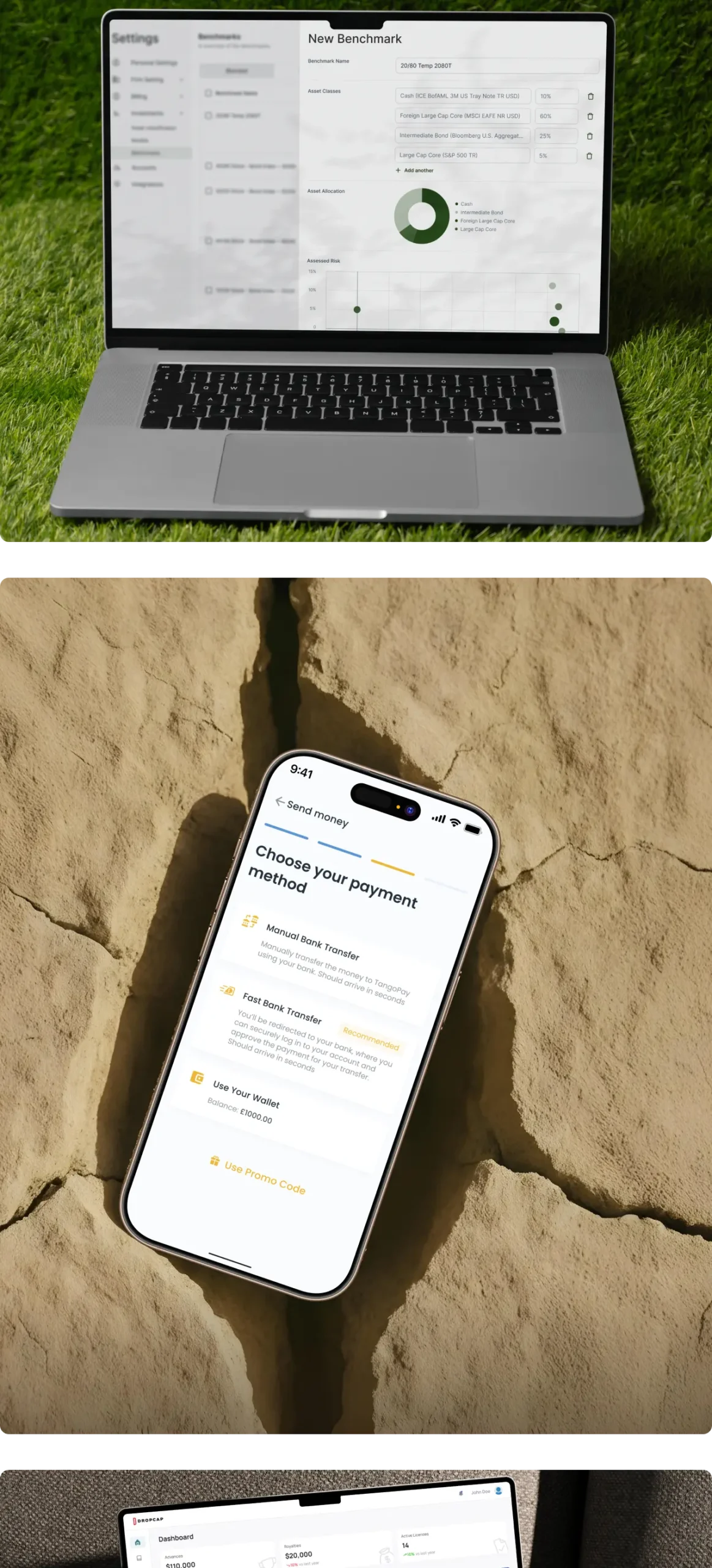


Product Design Services That
Turn Ideas into User-Centered Digital Products
Research-driven process
We start by mapping the full picture - your business goals, user problems, technical constraints, and market context. It's the foundation that makes every design decision intentional and aligned with what you’re aiming to achieve.

Concept development
Research findings shape how we structure the product, like its logic, user scenarios, and core flows, before a single screen is drawn. Our team uses journey mapping and flow diagrams to build a product architecture that reflects how users actually think and act.
Prototyping and validation
We test ideas before they become code. Starting with low-fidelity prototypes, we run structured validation sessions that surface what works, what breaks, and what needs rethinking. Problems caught here cost hours to fix - left until development, they cost weeks and budget.
Selected Metrics that
Reflect Our Product Design Experience
What Clients Say About
UITOP’s Product Design Work


Cole Weiler
CEO, BoltWise“They took way more responsibility than we asked and we were so happy with the results of all their work. UITOP was easy to work with, flexible, and valuable to our company.”


Neil Hosey
ResHub, CTO


Dylan Gambardella
Founder, Different Health“They took extra time to ensure that our frontend developer could easily implement the wireframes.”

Sam Jordan
TrovBase, CEO

Dirk Pauw
CEO, Tavas“We’re most impressed with UITOP’s ability to come up with a system to be able to bring design solutions.”

Jordan Girard
Whiterock, Founder

Jake Heimark
Costa Security, CEO"We are happy with the improved UI/UX, which has made product navigation cleaner, simpler, and more intuitive. The team is great and always there to help."

Michael Mosseri
Total Brokerage, CEO

Nicolas Endress
ClimEase, CEOProduct Design Cases

From product complexity to a clear and scalable user experience
Fleet managers were drowning in data they couldn’t act on. The legacy system logged information but didn’t support decisions. UITOP restructured the entire product architecture: rebuilt the information hierarchy, redesigned the real-time dashboard, and introduced a modular component system that connects equipment, staff, and field data in one interface.
- 24.3% reduction in equipment downtime
- Decisions made 2× faster by operations teams
- 3× faster release cycle post-redesign
- Acquired by Sandhills Global

Designing product flows that help users complete key tasks faster
Government contractors were managing invoices, billing, payments, and reports manually, so each task was a separate friction point. Our team designed 185 screens across interconnected modules, optimizing every core user flow to minimize decision steps and reduce cognitive load at each stage.
- 91/100 ease-of-use score
- +137% new users in Q1
- 94% user retention
- Launched in 4 months

Creating a consistent product system ready for growth
A construction ERP serving multiple operational roles needed more than a visual refresh – it needed structural design logic that could scale. UITOP built a unified interface system across modules: consistent component patterns, clear role-based navigation, and an information architecture designed to absorb new features without breaking existing workflows.
- Multi-module ERP redesigned as a single coherent system
- Scalable component library built for development handoff
- Role-based navigation reducing cross-module friction
- Industry: construction operations & project management

Why Companies Choose UITOP
for Product Design Services


What Our Digital Product Design Services Include
Product Discovery and UX Strategy
User and business research
We run stakeholder interviews, analyze competitor positioning, review existing materials, and map real user pain points against business constraints. Research outputs include validated product hypotheses and a clear picture of what the market actually needs, giving every design decision a factual foundation.
Product structure and user flows
We define product architecture, map primary user scenarios, and establish navigation logic across all core flows. Every structural decision targets friction reduction, removing unnecessary steps, clarifying decision points, and ensuring the product’s internal logic matches how real users move through it.
Design direction based on real insights
Discovery findings directly shape the design direction. At UITOP, we translate research outputs into defined UX requirements, UI priorities, and core design principles. This documented direction bridges strategy and execution, so wireframing starts from a validated brief.

Product Experience and Interface Design
Wireframes and interactive prototypes
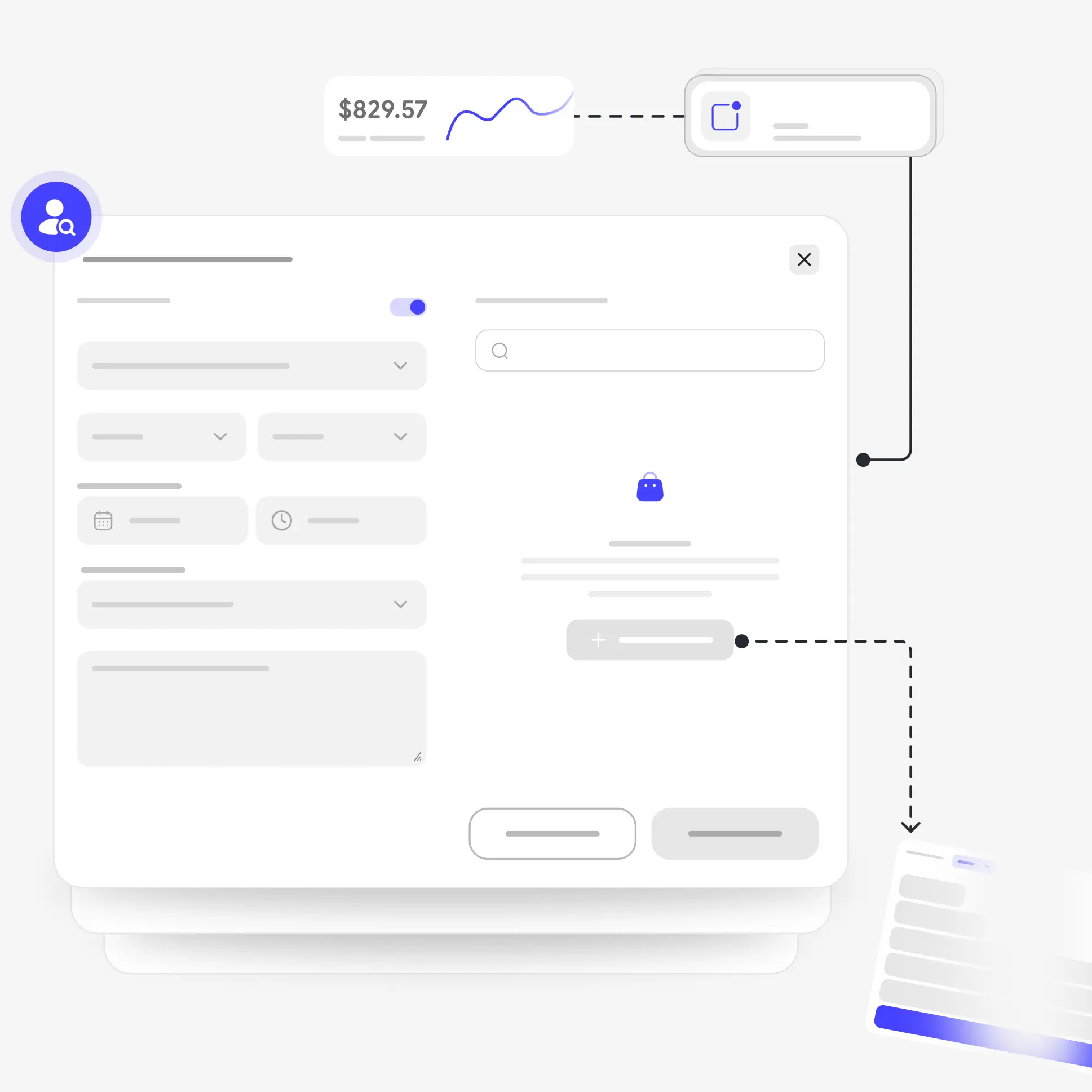
Structural wireframes establish screen logic and layout hierarchy before any visual layer is applied. Clickable prototypes let teams validate product mechanics and task flows early, catching misalignments before they reach development. This process reduces revision cycles, accelerates stakeholder alignment, and protects the engineering budget from unverified design decisions.
UI design and visual product language
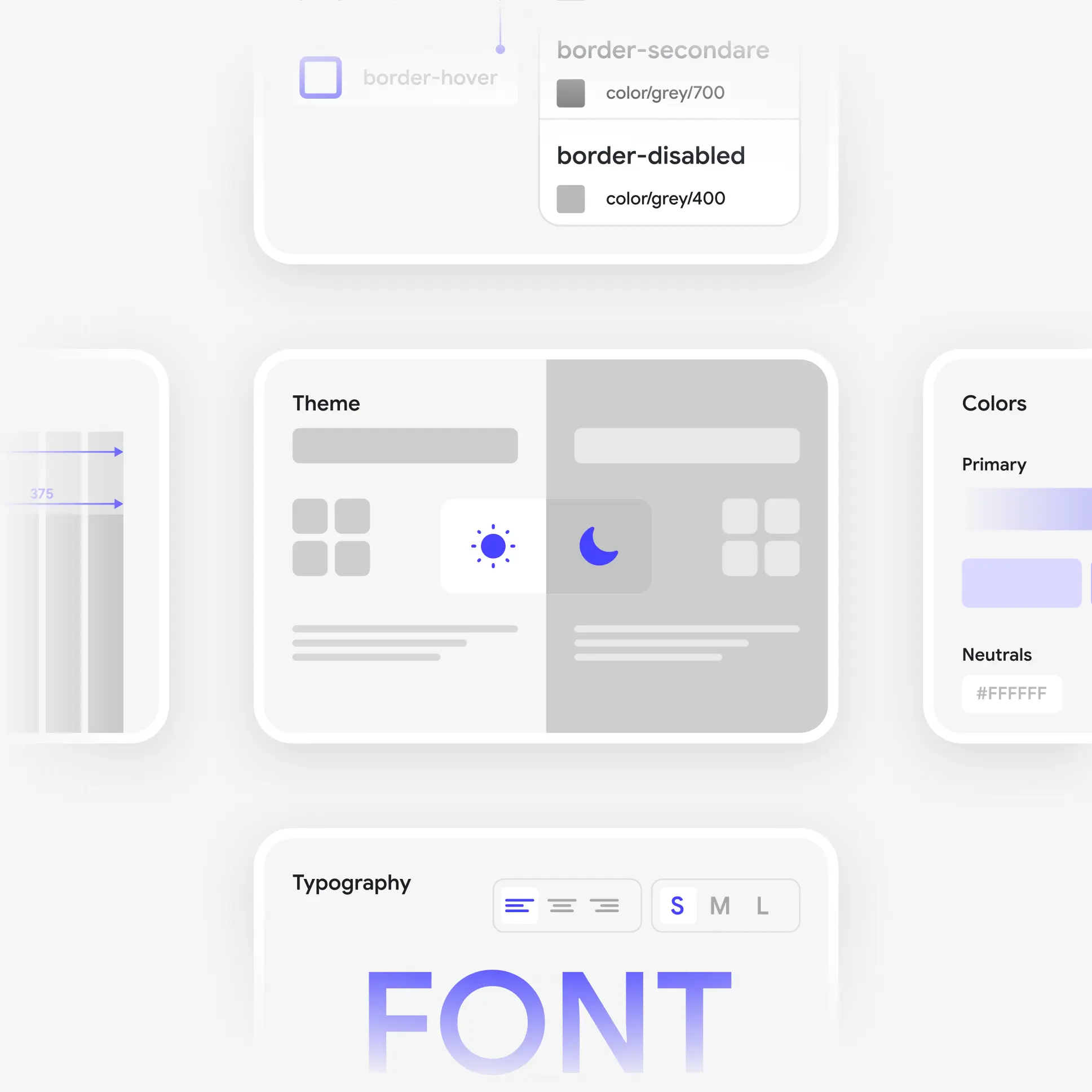
We build the product’s complete visual system: UI patterns, typography hierarchy, color logic, and component behavior, designed to establish user trust and drive clarity at every interaction point. The output is a structured visual language that communicates product value and maintains consistency across every screen.
Accessible and intuitive user experience
Our team designs for diverse user profiles, applying accessibility guidelines, reducing cognitive load at high-friction points, and building predictable interaction patterns throughout the product. Inclusive design directly expands the addressable user base and reduces support overhead caused by interface confusion.

Scalable Design Systems and Validation
Design systems for product consistency
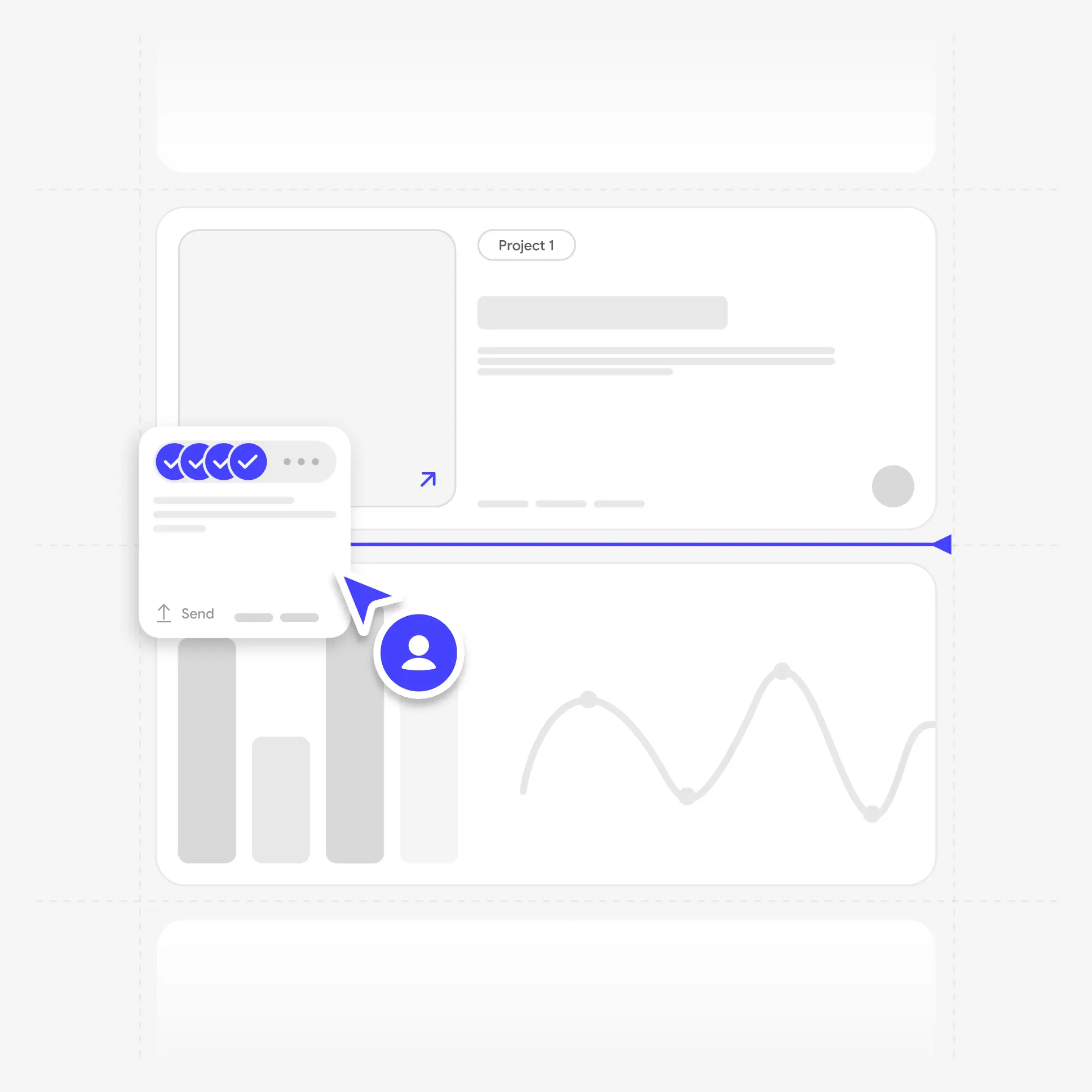
We deliver complete design systems: reusable component libraries, global style guides, interaction patterns, and documented usage logic. This infrastructure ensures interface consistency as the product scales, cuts design time for future feature rollouts, and gives engineering a single source of truth for implementation decisions.
Testing and refinement before handoff
Before delivery, every design passes through internal QA reviews, structured usability validation, and stakeholder feedback cycles. Our team identifies edge cases, closes UX gaps, and refines interaction states until the product logic holds up under real usage conditions.
Design ready for development and growth
Final deliverables include annotated components, documented state management, edge case coverage, and technical feasibility notes tied to each design decision. Engineers receive assets built for direct implementation. The system is structured to absorb new features without accumulating interface debt or breaking existing product patterns.


Our Product Design Process
1. Product Discovery
2. Research and Experience Mapping
3. Product Structure and UX Concepts
4. Wireframing and Interactive Prototyping
5. UI Design and Scalable Product System
6. Validation, Refinement, and Development Handoff
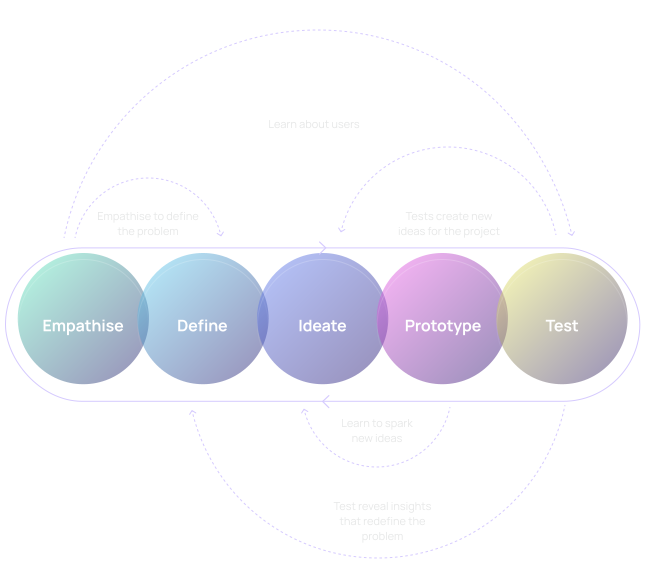
Methods and Tools We Use
in Product Design


Frequently Asked Questions
What are product design services?
Product design is the end-to-end process of shaping a digital product that works for users, meets business goals, and fits within technical constraints. It covers everything from initial discovery and user research to interface design, prototyping, and development-ready documentation.
How is enterprise product design different from enterprise UX and UI design?
Enterprise UX and UI design focus on screen usability, visual hierarchy, and interaction patterns. Product design operates at a broader level – it includes market positioning, business metric alignment, feature prioritization, and long-term scalability decisions. Think of UI/UX as one critical discipline within a larger product design system.
What do you deliver during a digital product design project?
Deliverables vary by scope, but a full engagement typically includes:
- User research findings and validated hypotheses
- Product architecture maps and user flow documentation
- Low and high-fidelity wireframes
- Clickable interactive prototypes
- High-fidelity UI design and visual language system
- Scalable component library and design system
- Annotated, dev-ready specs with edge cases and state documentation
Can you help design a new product from scratch?
Yes. We work with founders and product teams from the earliest concept stage. Our discovery process helps define the right problem, structure core features, validate product hypotheses, and build a launch-ready MVP design, so development starts on a tested, documented foundation.
Can you improve or redesign an existing software product?
Yes. We audit your current product to identify friction points, map where users drop off, and diagnose structural UX issues. From there, our team redesigns or scales the experience to improve activation, retention, and conversion.
How long does a SaaS product design project take?
Timelines of a SaaS product design project depend on its complexity and defined scope:
- Discovery and UX strategy: 1–2 weeks
- MVP or focused feature set: 4–8 weeks
- Complex enterprise platform: 10–16 weeks, structured in phases
Every project opens with defined milestones and clear delivery checkpoints — no open-ended timelines or ambiguous progress updates.
Do you conduct user research and product validation?
Every project. We run stakeholder interviews, usability testing sessions, competitor benchmarking, and structured feedback loops throughout the design process. No interface decisions are made on assumption alone. Research findings are documented, shared with your team, and directly tied to the design rationale, giving every deliverable a traceable, evidence-based foundation.
Can your team support development after the SaaS product design stage?
Yes. UITOP operates as a full-cycle product partner. We provide complete engineering handoff packages – annotated specs, component documentation, and interaction guidelines. If needed, our development team can take the validated designs through to full build and product launch, with no loss of context between the SaaS product design and engineering phases.