How we use AI in our process
 Marina Management ERP Platform Slipwise

Slipwise is a marina ERP platform that combines yacht berth and pier space management, contracts,
and real-time task tracking for boats and available slips into a single tool.

Slipwise partnered with UITOP to design a marina management ERP platform from scratch. The goal was to create a system that makes complex workflows easy to use, helping marina managers complete daily tasks faster while supporting the needs of modern marina operations. Because the marina industry has few specialized software solutions, the platform also needed flexible business logic that could grow with different types of marinas.
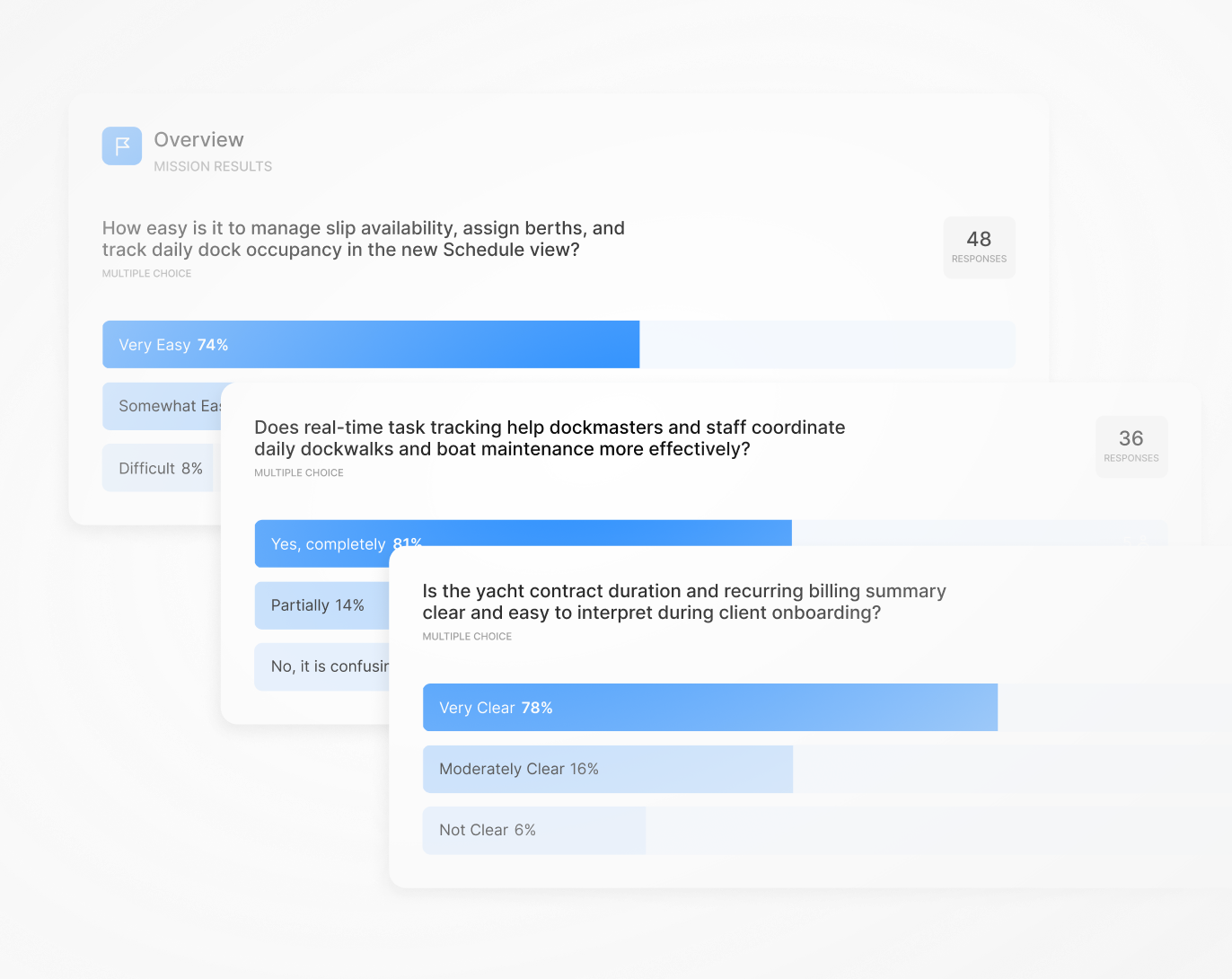
Our team combined UX research with interviews with potential customers to understand how marina teams manage daily operations and where they face the biggest challenges. This led to creating an intuitive, flexible solution with a modern interface that solves problems no one software has solved before. The product received positive feedback from Fractal Software VC and potential customers.

Project Brief
Slipwise is a SaaS platform built for the marina industry. It helps marina teams manage boat operations, maintenance processes, contracts, and daily tasks from one place. UITOP designed the platform from scratch with a scalable structure, making complex workflows easy to understand for both technical and non-technical users. The platform combines boat tracking, contract management, and task assignment to centralize marina operations and help managers work more efficiently.

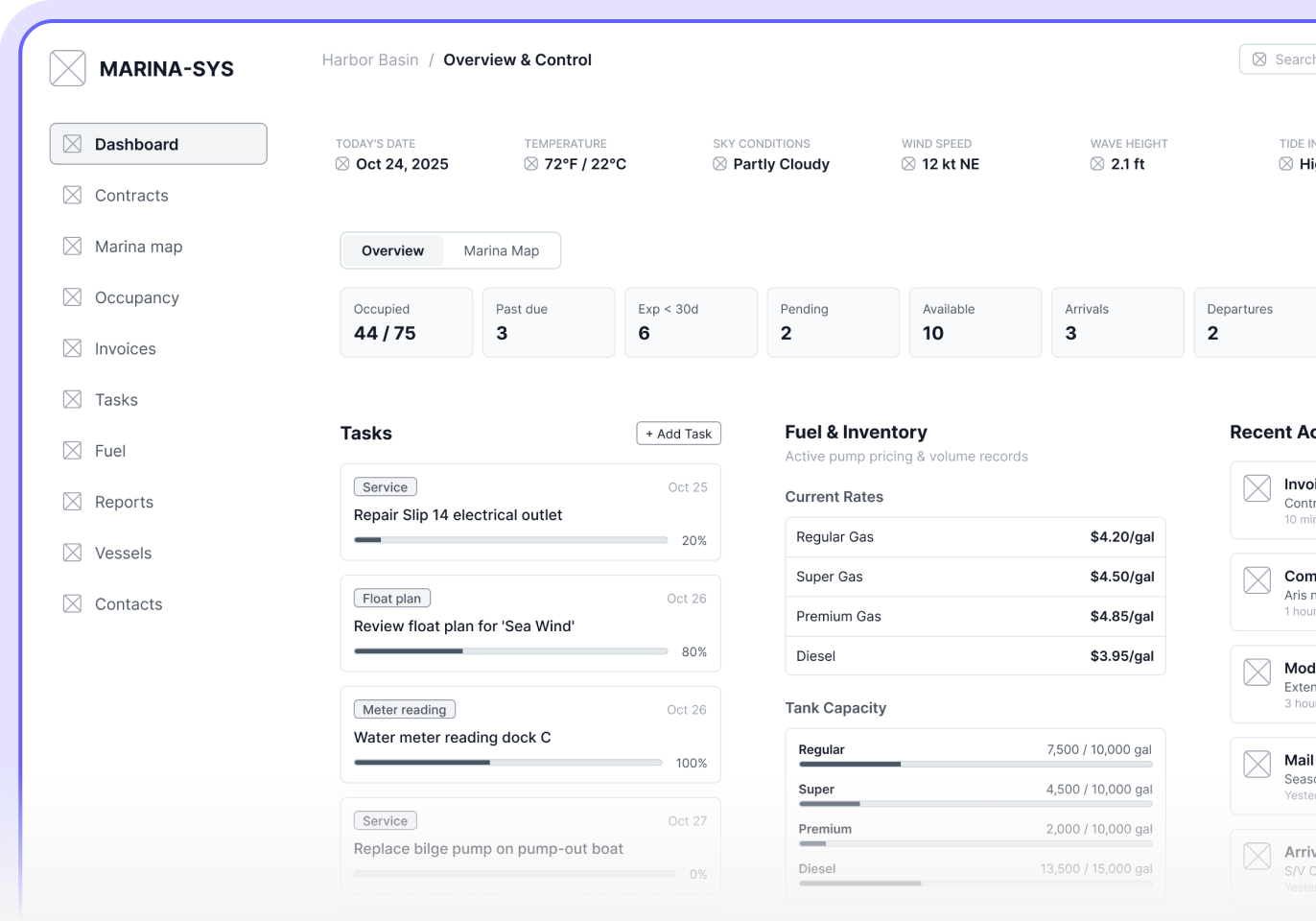
Dashboard
Problem
Marina managers need quick access to operational data to monitor berth occupancy and manage contracts. Existing solutions often make this process difficult because dashboards can be complex, offer limited customization, and combine data from different sources inefficiently.
Solution
UITOP designed a real-time marina dashboard that combines occupancy data, marina status, and contract details in one place. This helps managers monitor operations, make faster decisions, and access essential information across different devices with a more efficient workflow.

Contract Management
Problem
Relying on paper contracts and physical files in marina operations increases the risk of lost documents, human error, and slow daily workflows. Without a digital, real-time view of contract statuses, marina teams struggle to track renewals, coordinate tasks, and maintain clear communication between the office and the pier.
Solution
Our team created a centralized contract management system with a clear and intuitive interface to simplify marina operations. The solution helps automate contract workflows, reduce manual errors, improve compliance, and give marina teams better control over contract statuses and daily operations.

Task Management
Problem
Keeping daily tasks in mind or jotting them down on loose paper notes leads to forgotten jobs, missed updates, and operational delays. Without a centralized task management system, marina teams struggle to coordinate activities, track progress on the pier, and keep everyone connected in real time.
Solution
UITOP created a task management feature that moves all daily jobs from paper notes, centralizes task data and provides real-time updates with automated tracking. This feature helps marina teams organize workflows, monitor task progress, and create a smoother experience for different user roles.

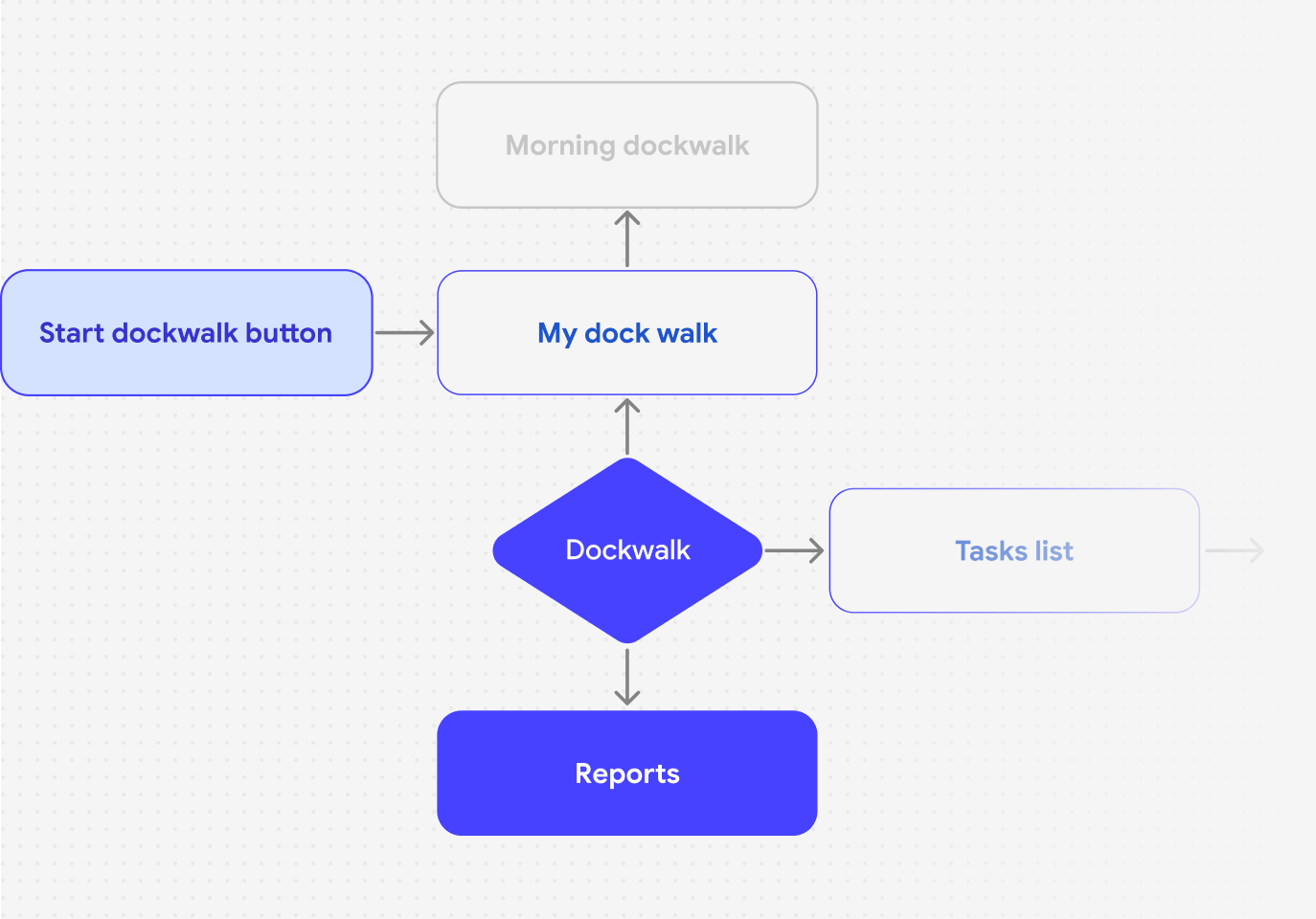
Dockwalk
Problem
Marina teams often rely on manual notes during dockwalk inspections, which can lead to missed issues, delayed follow-ups, and inconsistent reports. Without a structured tracking system, managers may find it difficult to monitor the current status of boats and available spots.
Solution
UITOP developed the Dockwalk feature that allows staff to check and confirm spot statuses in a few clicks from one screen. The desktop view gives managers a clear overview of detailed reports, helping them track marina conditions and respond to issues faster to ensure that nothing is missed.

Real-Time Availability
Problem
Most marina software uses basic tables and lists without a visual map of the harbor. Without a clear map of the pier, managers struggle to quickly see which spots are occupied, reserved, or open, making future berth allocation and space planning time-consuming and prone to overbooking.
Solution
We designed an interactive, custom pier map that gives managers a real-time visual breakdown of their entire marina layout. As dock workers update yacht statuses on-site, the map reflects occupied spots, upcoming reservations, and upcoming arrivals. This visual interface allows managers to organize space in advance and maximize pier capacity.

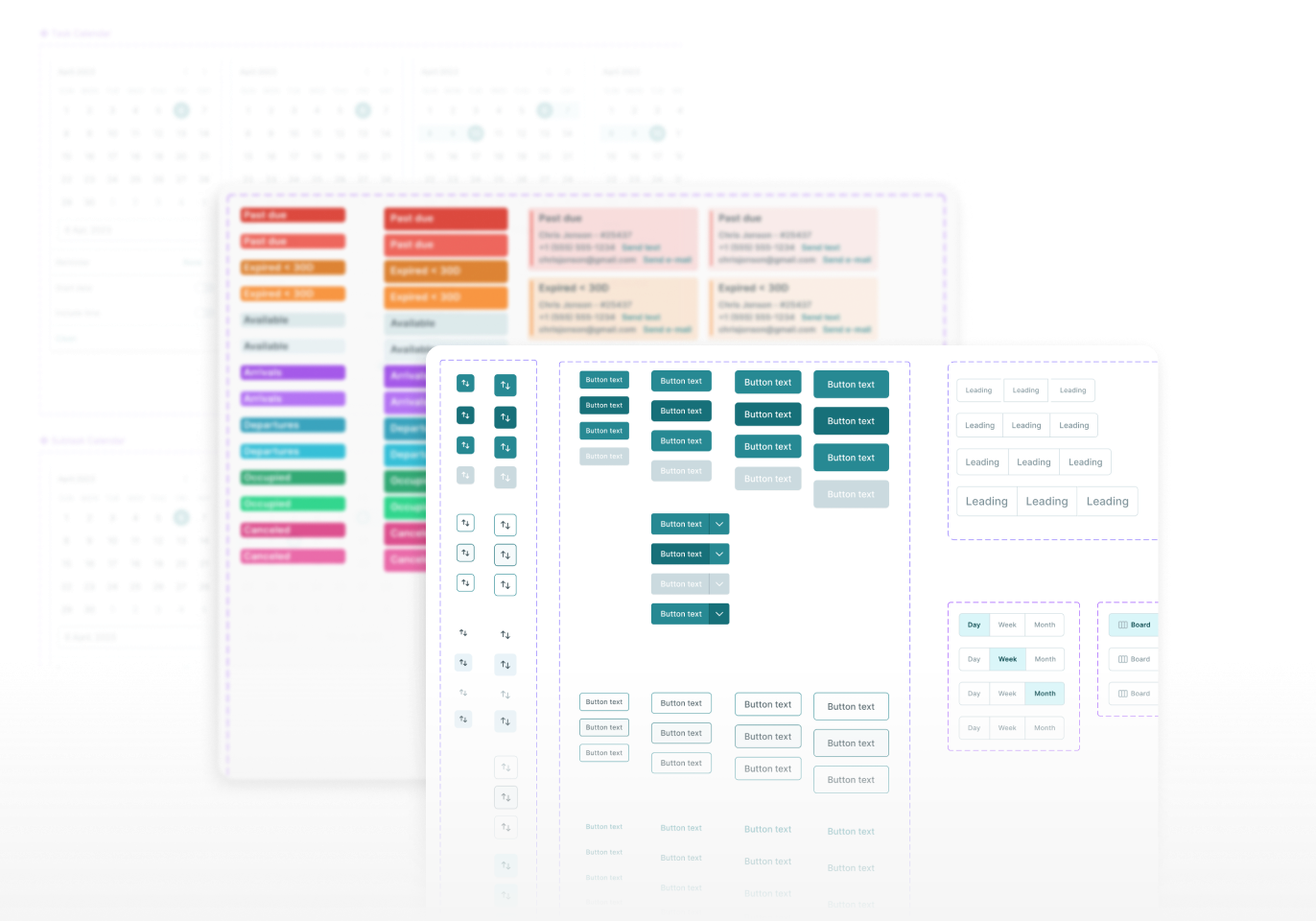
Components Library
Challenge
Building a complex marina management platform required a consistent design approach across multiple features and workflows. Without a standardized component library, inconsistent UI elements could make navigation harder, slow down development, and create an unclear user experience.
Solution
UITOP developed a reusable component library that established consistent UI patterns across the platform. This helped create a more intuitive experience for marina teams, simplified future product updates, and speed up development with flexible, reusable components.

Similar cases


Technology
We used special tools to make designing the app straightforward and seamless.

FLOWBITE DESIGN SYSTEM


AUTO-LAYOUTS, COMPONENT DESIGN SYSTEM, CUSTOMIZATION

Problem solving
A well-structured design process balances functionality and innovation by focusing on user needs and continuous feedback to improve usability and the overall user experience.
Architecture
Wireframing
Design system
Prototype & Testing