01Product thinking before screens and code
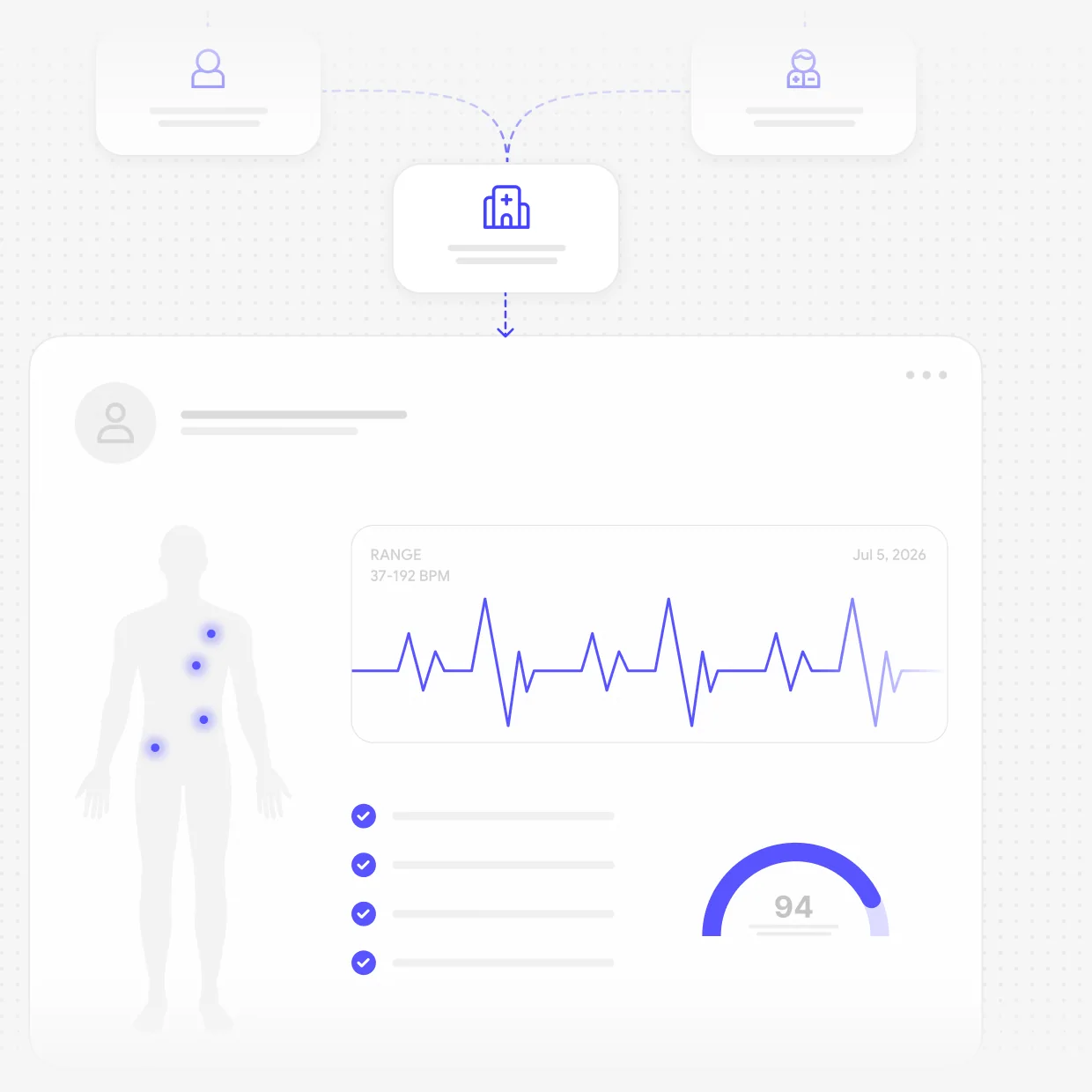
UITOP first clarifies the product context: user roles, healthcare workflows, business goals, and technical limits. This gives the project a solid base before the team moves into interface design, architecture, or development, especially when the product includes sensitive data and different access levels.
02UX for complex healthcare workflows
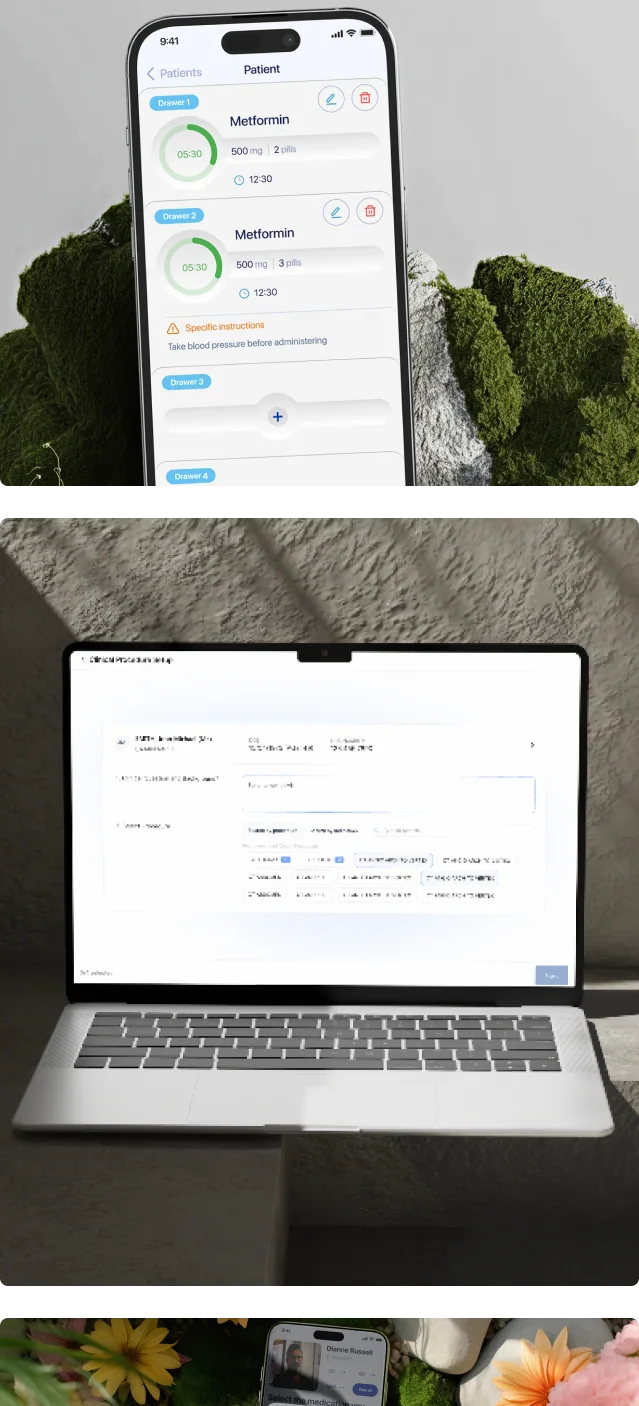
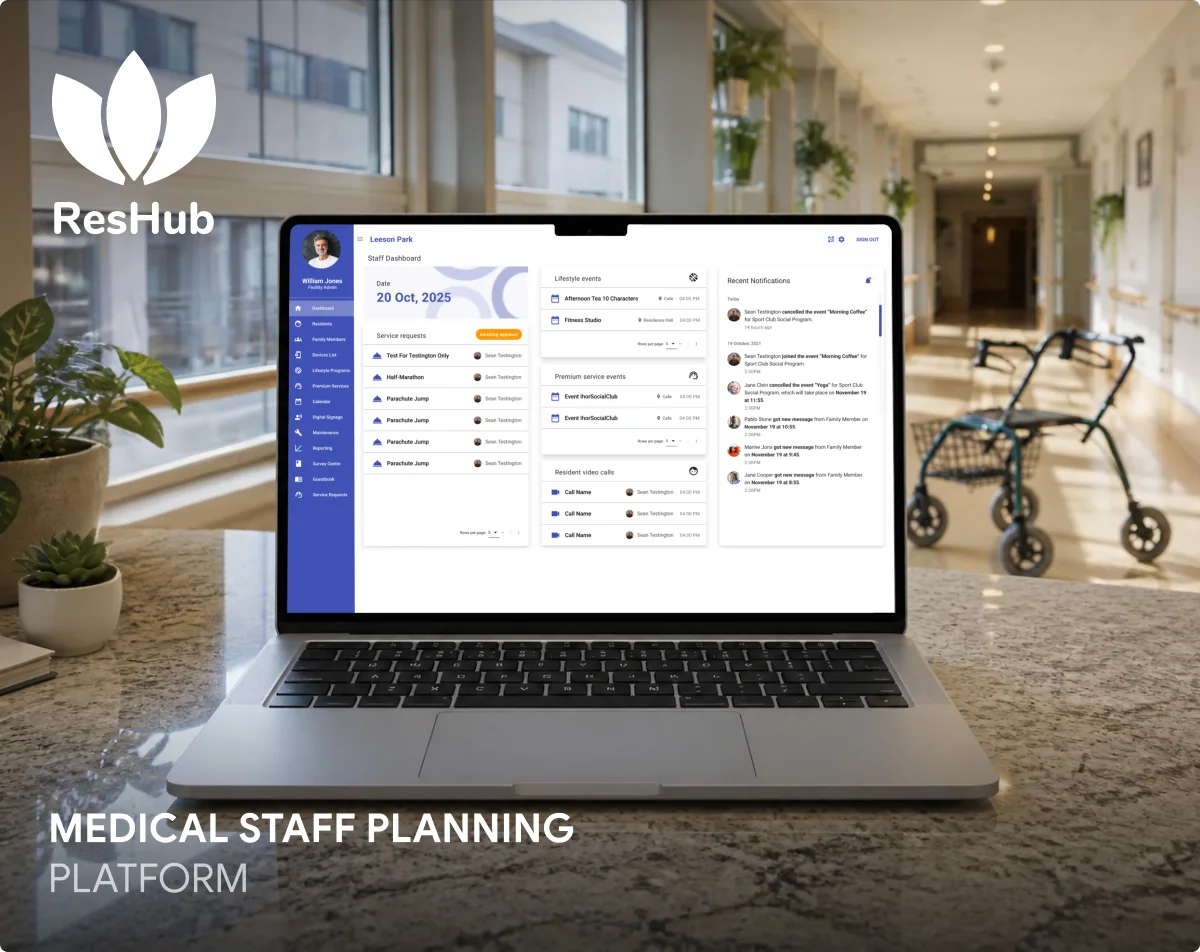
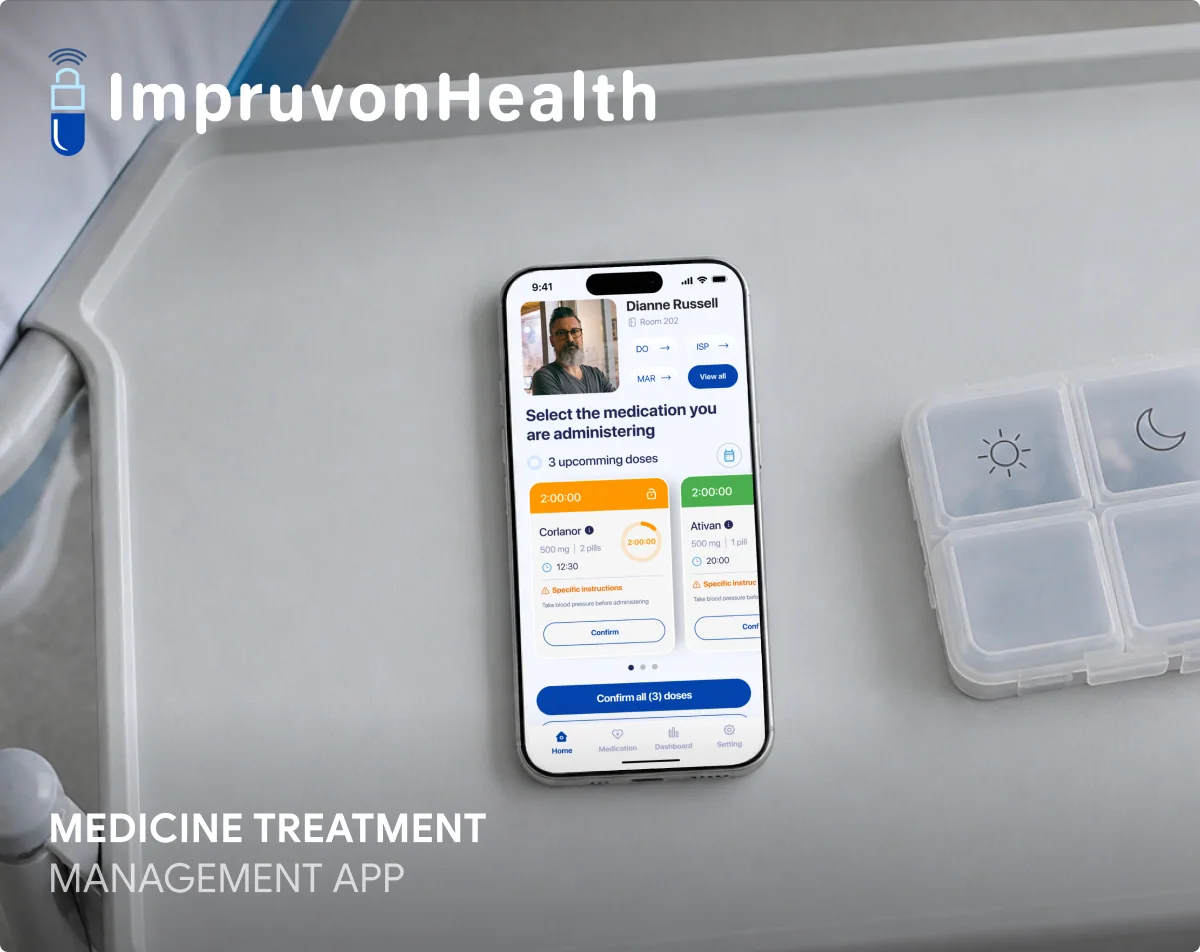
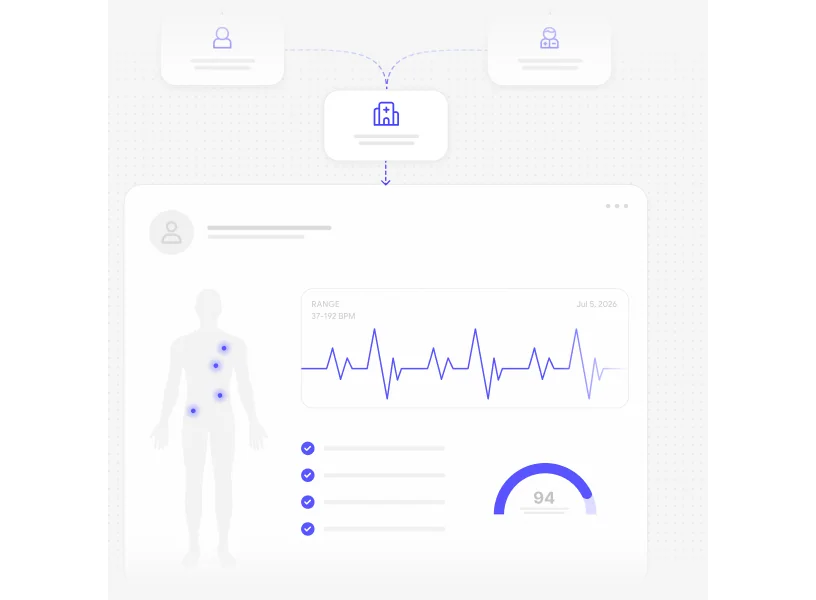
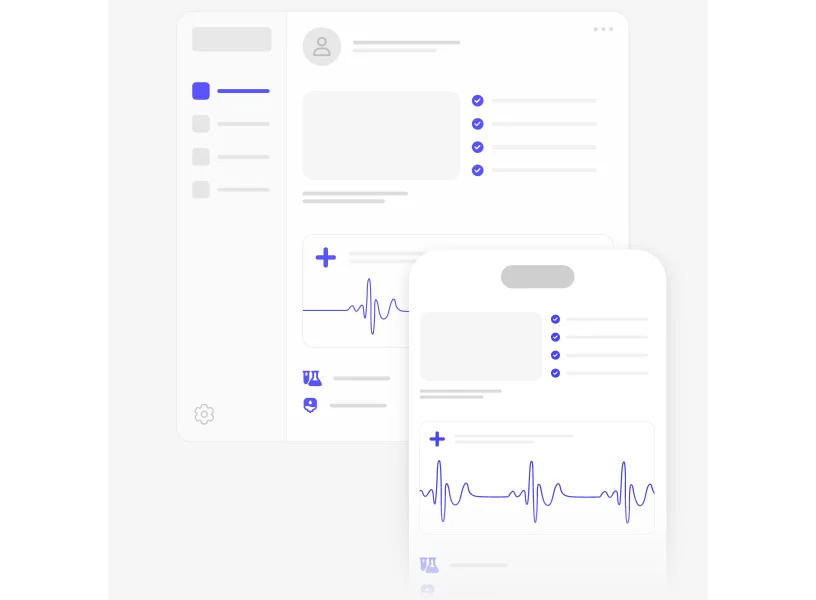
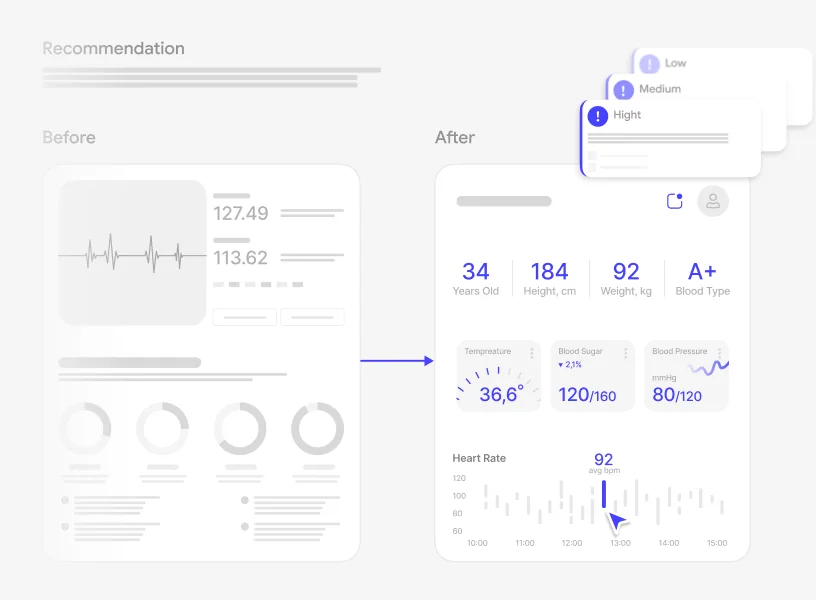
Healthcare software can ask users to do careful work: review patient details, update records, follow care steps, or manage requests. Our team designs these flows so the interface is easier to read, actions are placed where users expect them, and each role gets the level of access it needs.
03Design and development in one delivery flow
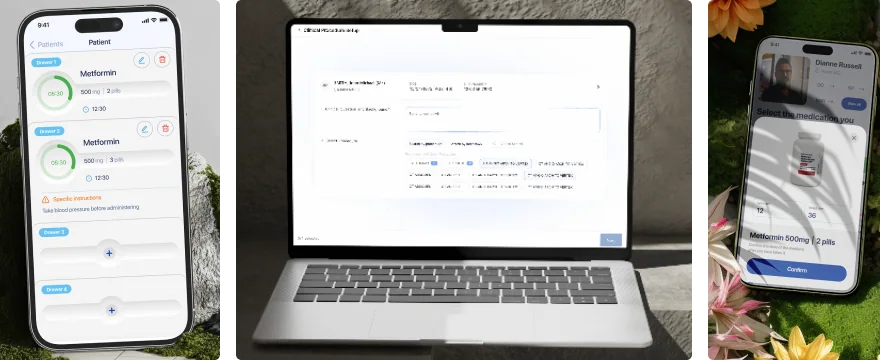
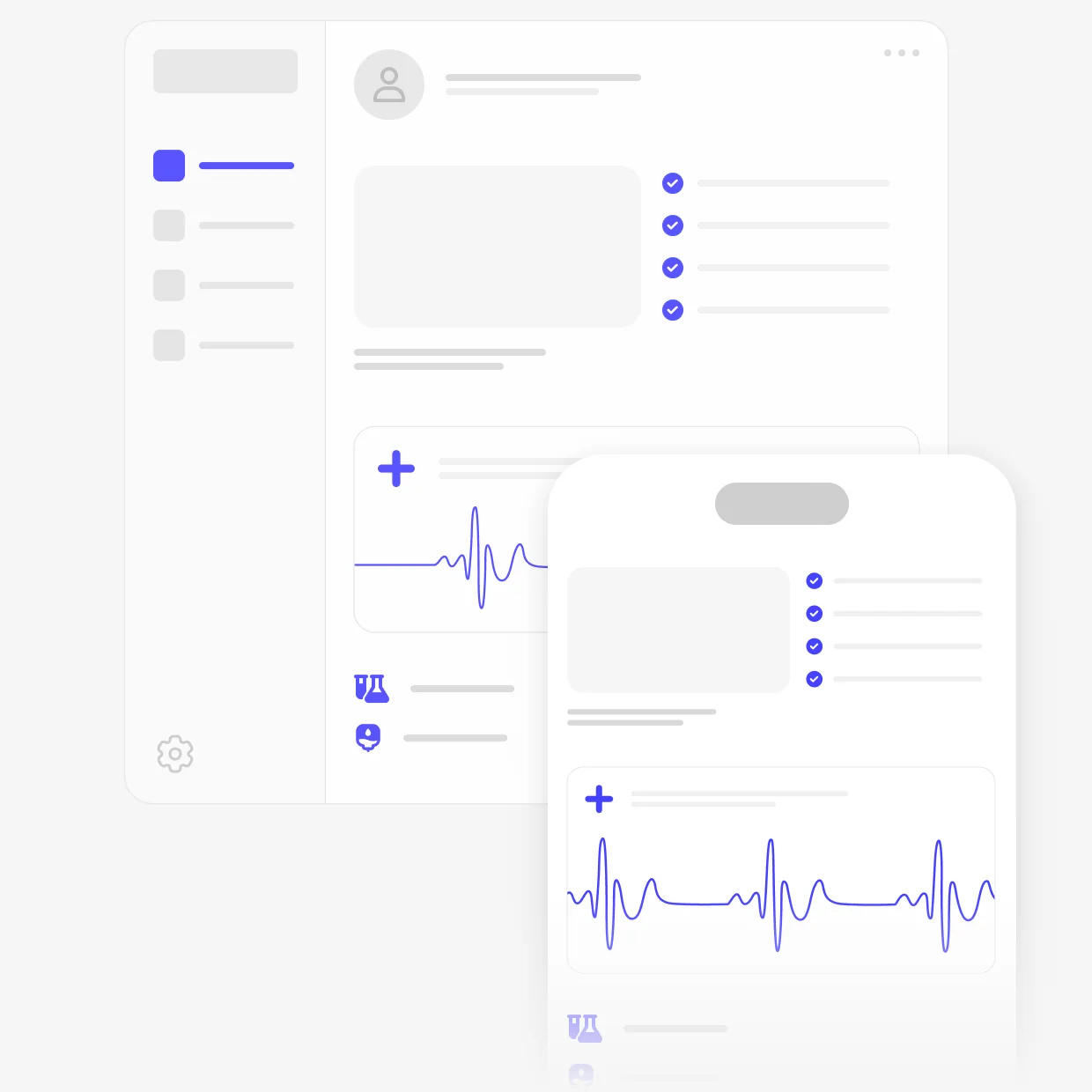
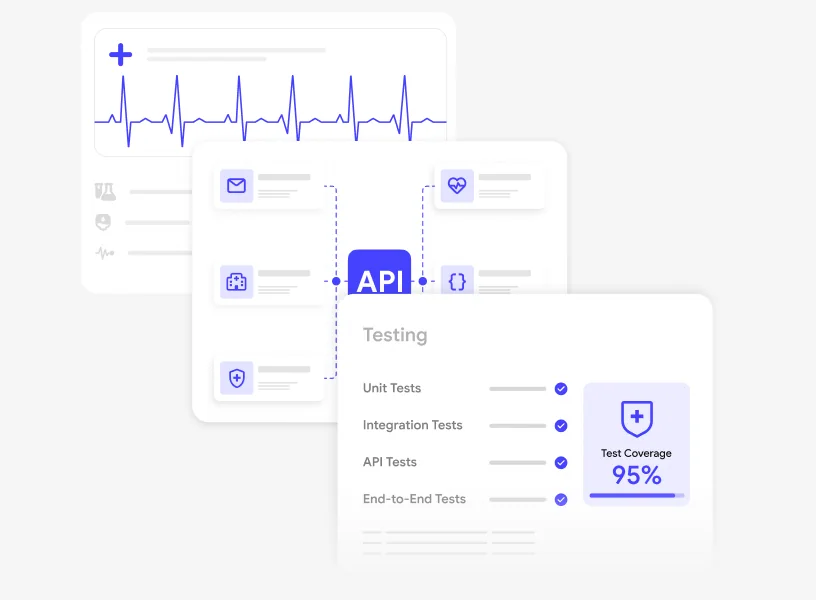
Healthcare products work better when UX/UI and development are discussed together from the start. A screen may look simple, but it can depend on permissions, patient data, integrations, or mobile behavior. UITOP keeps designers, developers, QA, and project managers involved in the same product decisions, so the work stays consistent from prototype to release.
04Engineering for secure, data-heavy products
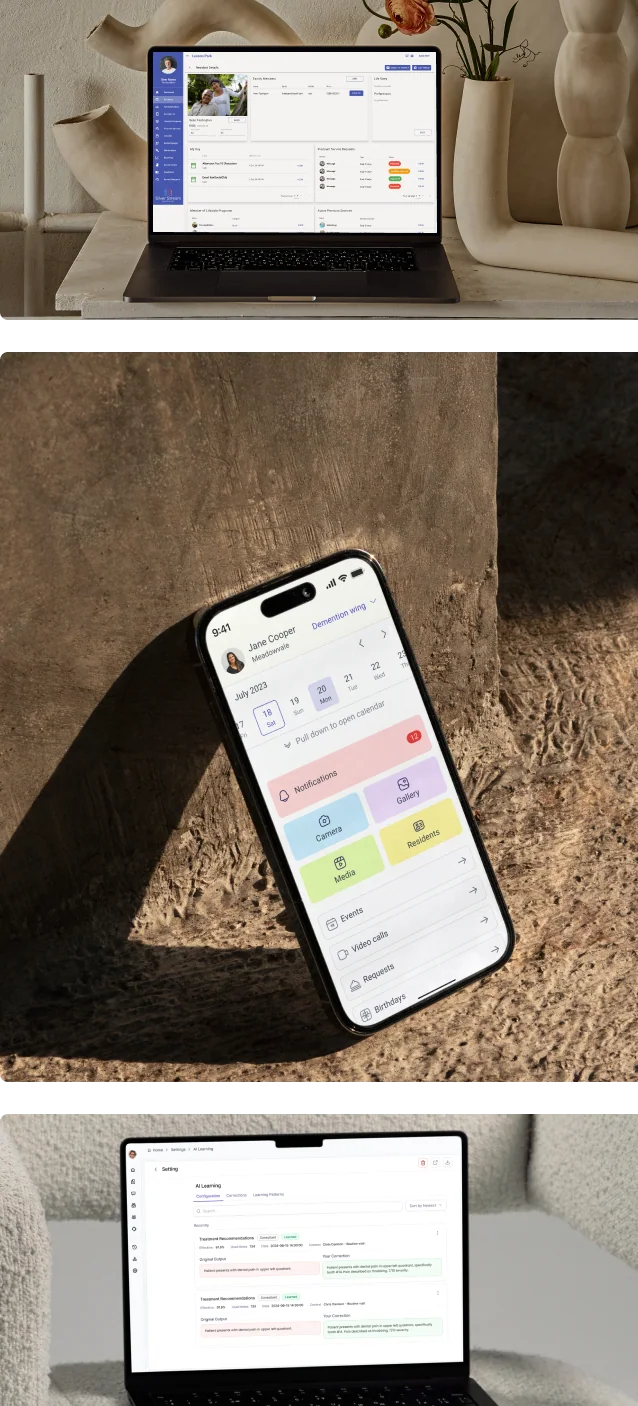
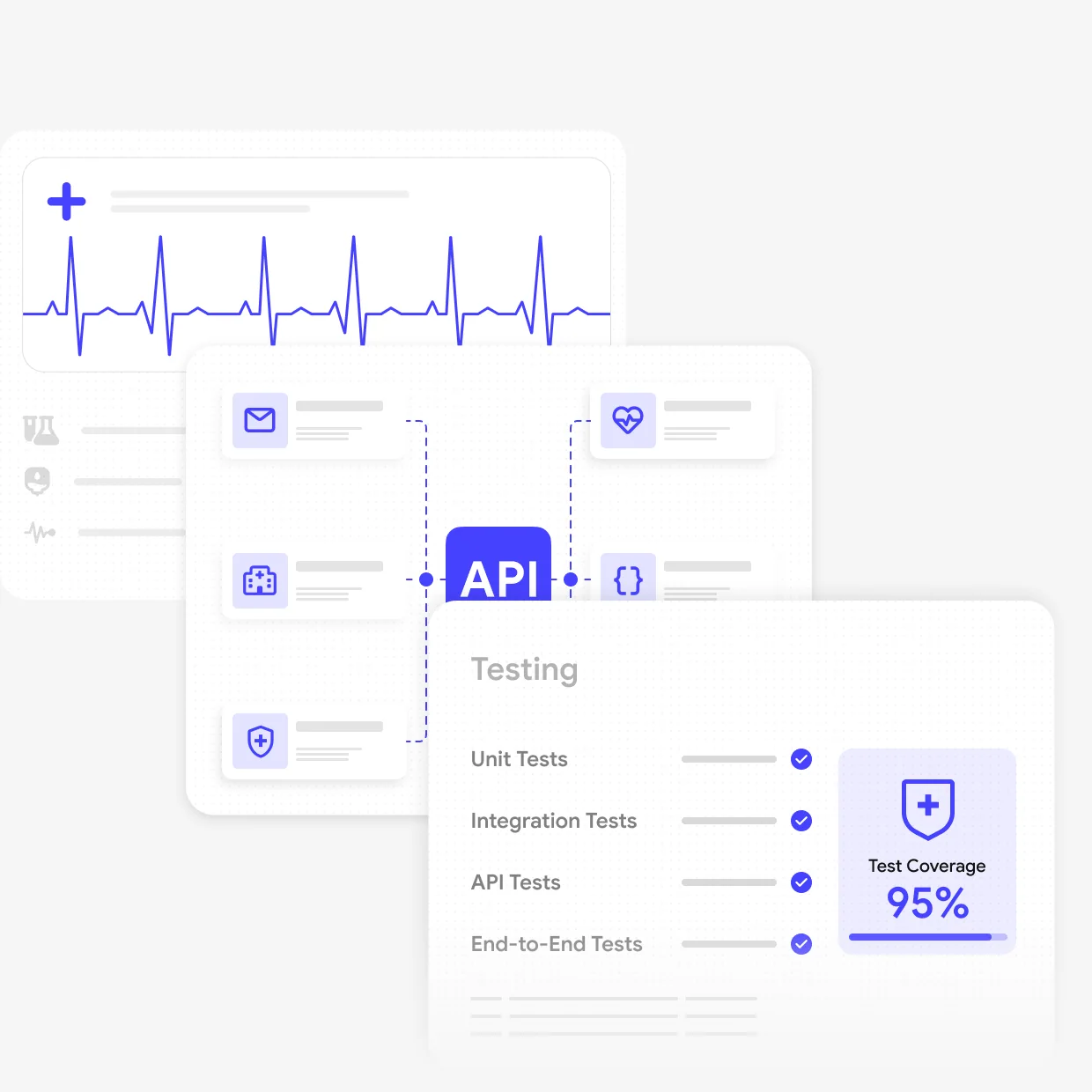
Healthcare applications often have sensitive records, user roles, and outside systems involved. UITOP builds the technical side with these realities in mind: access, data flow, integrations, and day-to-day product behavior. If compliance requirements are part of the project, we define them in the scope before development starts.
05Clear collaboration with healthcare and product teams
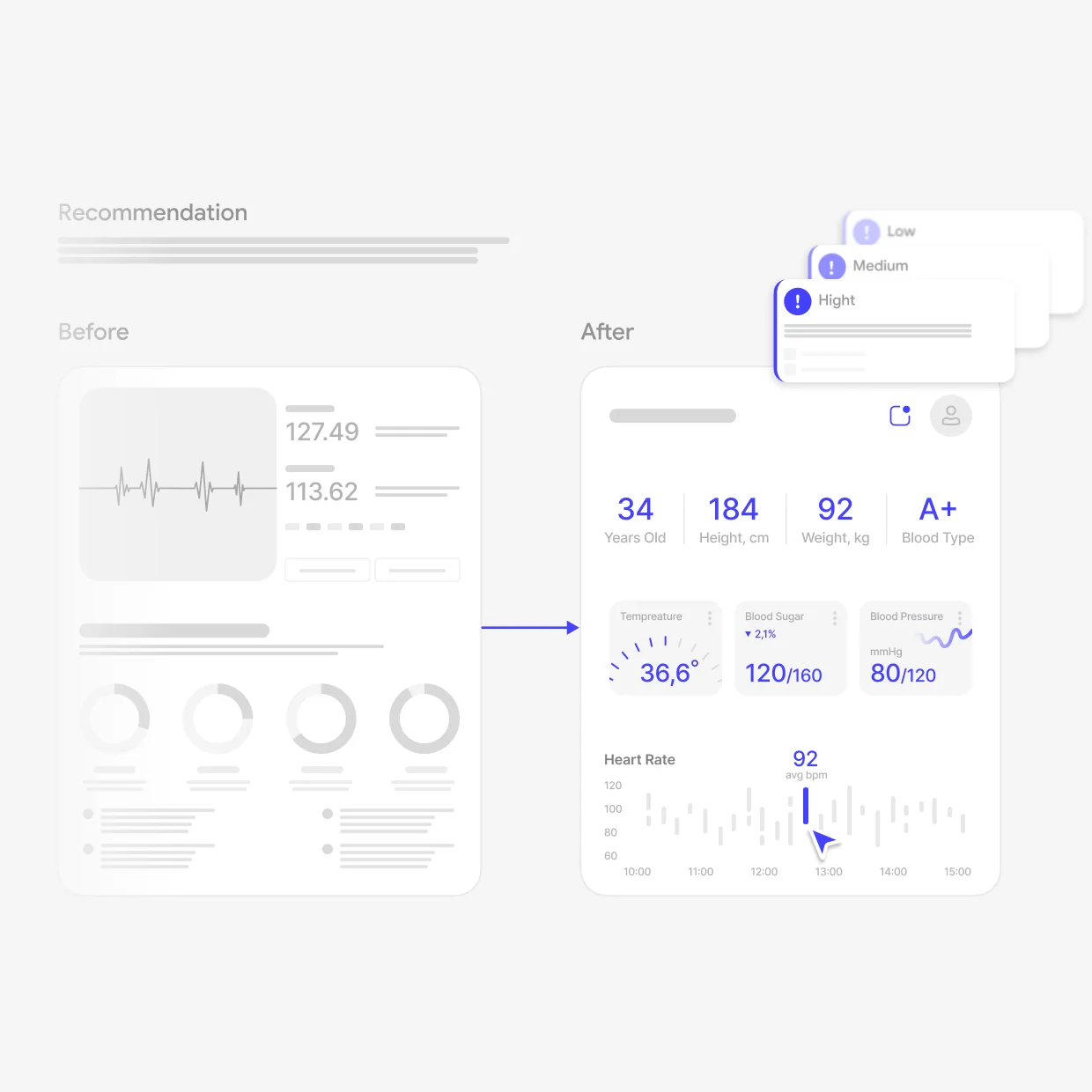
Healthcare projects usually involve several voices: business, product, clinical, and technical. UITOP helps bring these views into one working process, so priorities are easier to discuss, decisions are easier to track, and everyone understands what is being designed or built next.
06Support beyond the first release
After launch, UITOP can handle product updates, bug fixes, QA, new features, integrations, and performance improvements. This is useful when a healthcare platform needs to support more users, add new workflows, connect extra tools, or improve parts that have become harder to manage after real use.