






UX-first by default
Every build starts from user flows, not a feature list. That matters most when your users can delete the app in two taps, so we test the core flow with real people before a sprint is spent on it.
We design and build consumer web and mobile apps people choose to keep: clear onboarding, trustworthy payments, fast everyday flows and a store launch that passes review the first time. One in-house team takes your product from idea to the App Store, Google Play and the web, then helps it grow.
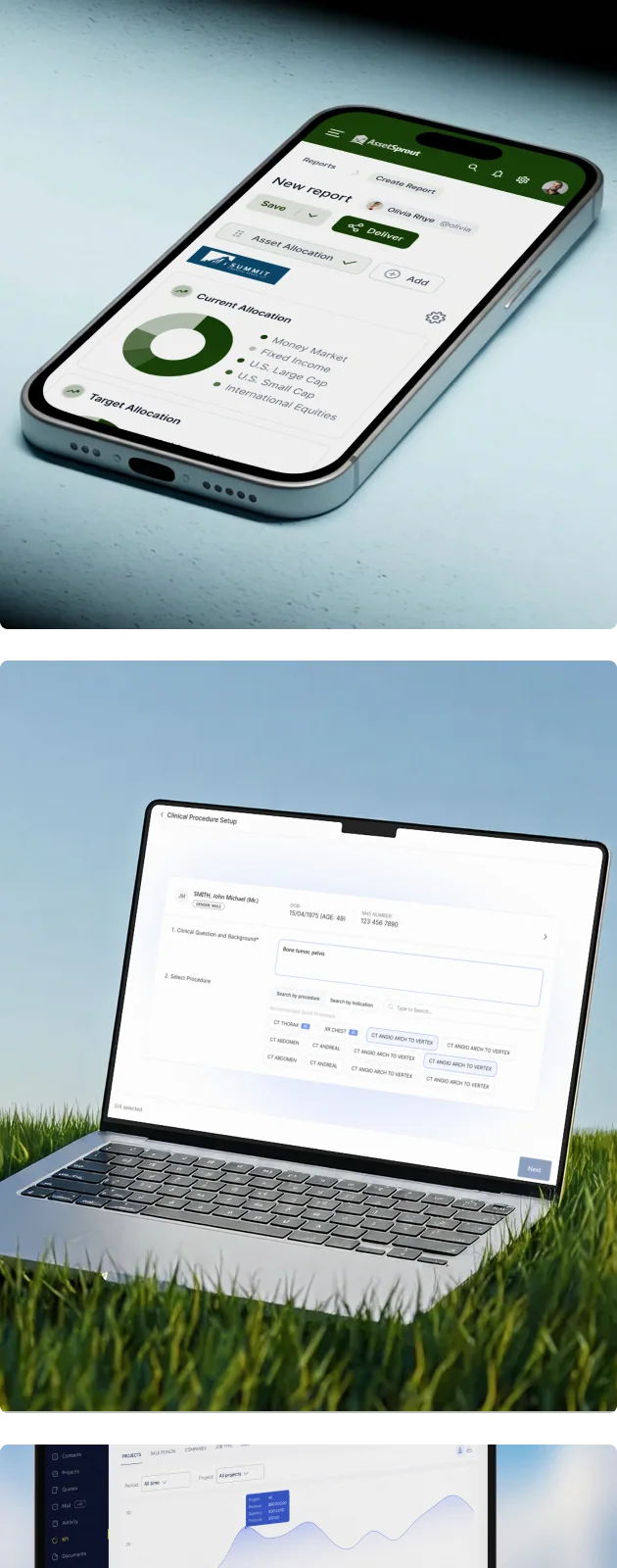
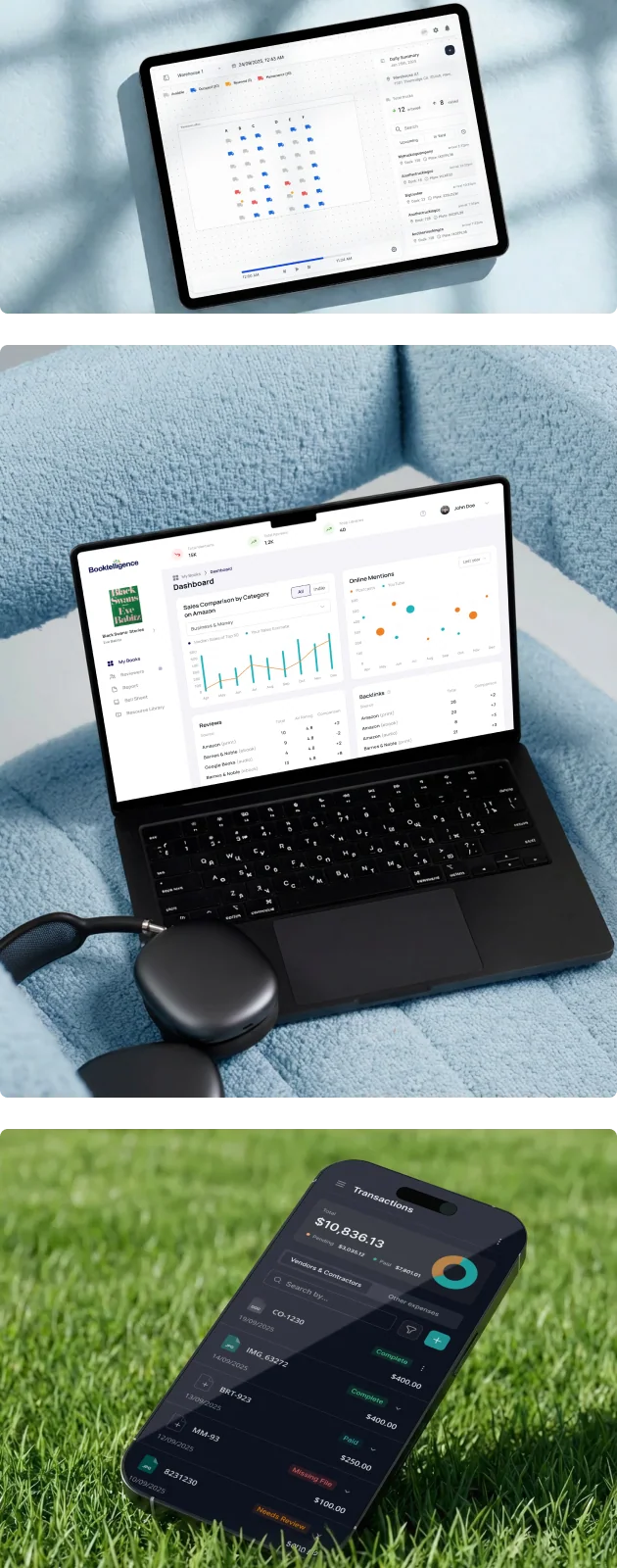
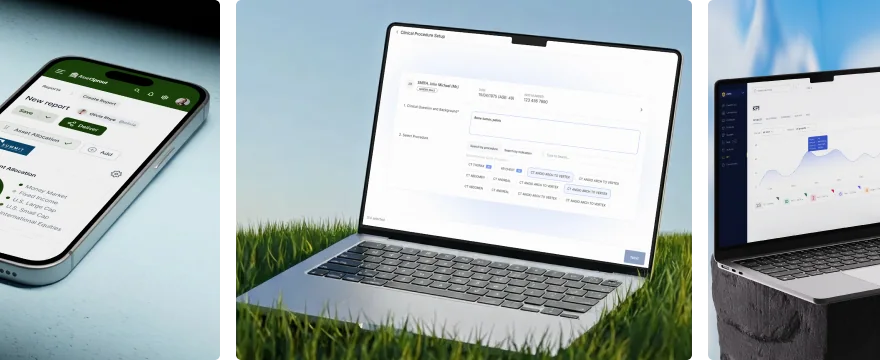
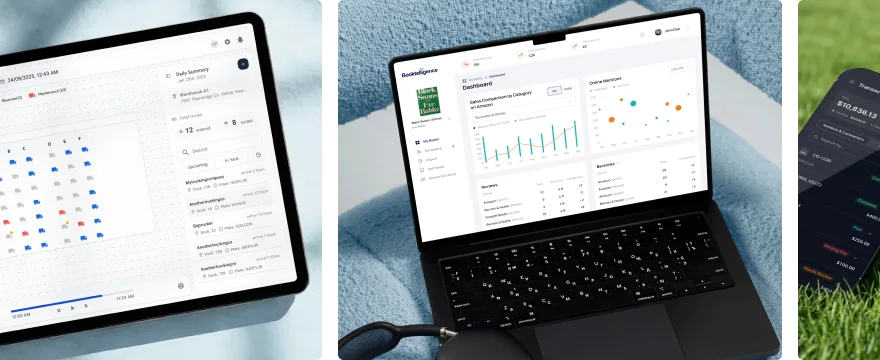
UITOP’s consumer app development service brings product discovery, UX/UI design, iOS, Android and web engineering, payments and subscriptions, analytics and app-store launch into one delivery process. It is for founders and brands building premium B2C products, such as wellness, personal finance, lifestyle or connected-device apps, who need software consumers trust with their time, money and data.
Every extra step costs users. We cut flows down to what someone can finish on a phone, in a queue, with one hand.
Payments, personal data and permissions are designed to feel safe and clear, because one confusing moment is enough to cost a sign-up.
Analytics, release cadence and retention work are planned from day one, not added after the first bad reviews.




Cole Weiler
CEO, BoltWise“They took extra time to ensure that our frontend developer could easily implement the wireframes.”


Sam Jordan
TrovBase, CEO


Jake Heimark
Costa Security, CEO“They took way more responsibility than we asked and we were so happy with the results of all their work. UITOP was easy to work with, flexible, and valuable to our company.”

Neil Hosey
ResHub, CTO

Dirk Pauw
CEO, Tavas"We are happy with the improved UI/UX, which has made product navigation cleaner, simpler, and more intuitive. The team is great and always there to help."

Michael Mosseri
Total Brokerage, CEO

Dylan Gambardella
Founder, Different Health“We’re most impressed with UITOP’s ability to come up with a system to be able to bring design solutions.”

Jordan Girard
Whiterock, Founder

Nicolas Endress
ClimEase, CEOExamples of consumer-facing products we worked on. TangoPay, ReLounge and Impruvon Health were design projects; our full-cycle design and development builds include AirClub and Pacioli.
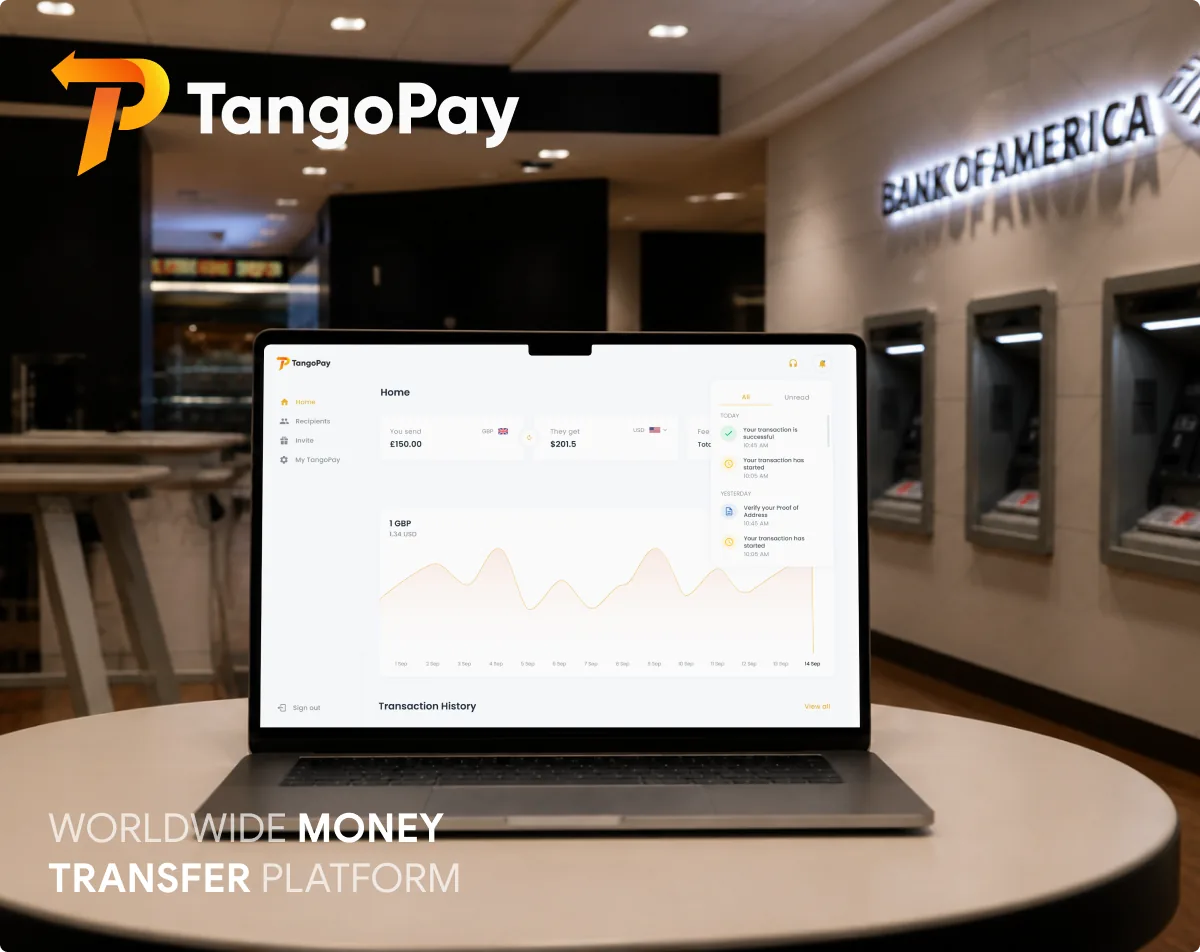
TangoPay is an app for sending money to almost any country. We designed the rate calculator, phone-camera document scanning, the transfer flow, transaction history and status notifications, so complex financial logic stays behind a calm interface.
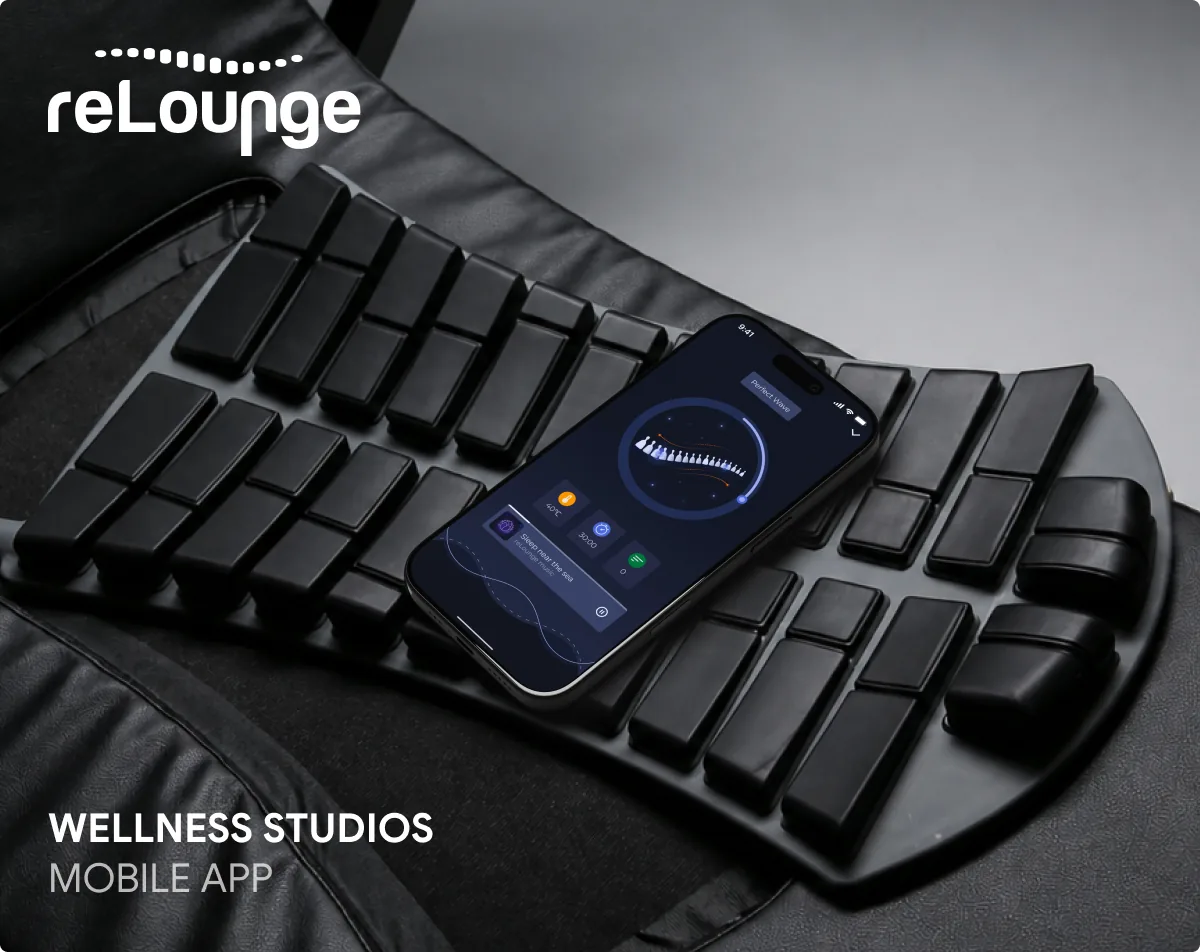
ReLounge is a consumer mobile app that connects to back-training equipment. We designed exercises, meditation, goals, rewards and progress tracking into one simple flow that keeps users motivated between sessions.
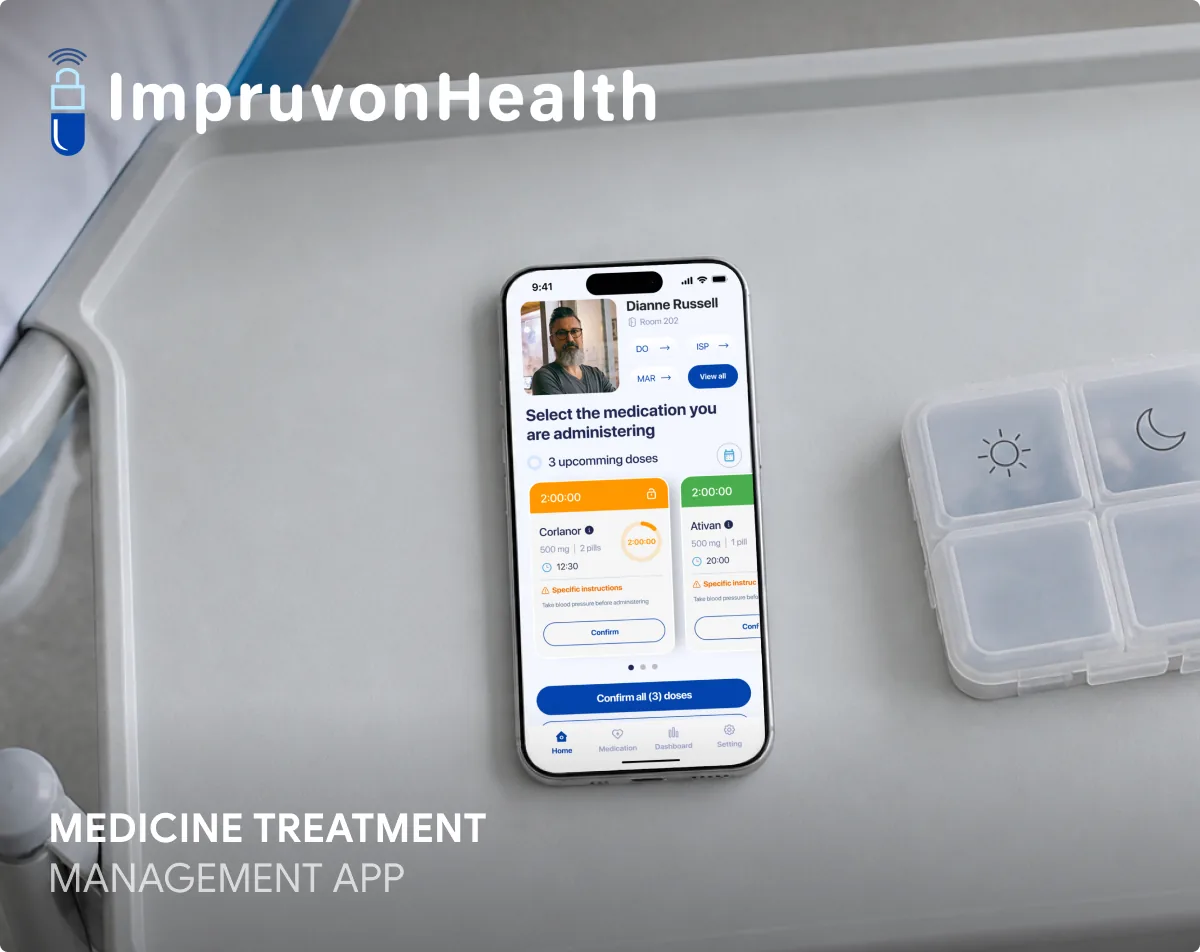
Impruvon Health helps patients follow their treatment plan with reminders, dosage tracking and side-effect notes, while doctors monitor progress. We designed onboarding and navigation so people find what they need without stress.
Every build starts from user flows, not a feature list. That matters most when your users can delete the app in two taps, so we test the core flow with real people before a sprint is spent on it.
TangoPay’s money-transfer app, ReLounge’s back-health app and Impruvon Health’s patient app are public case studies, and we can walk you through each one, including what we designed and what the client’s own team built.
100% in-house designers and engineers, so what you approve in Figma is what ships. Our full-cycle builds, such as AirClub and Pacioli, prove the engineering side, from web and mobile apps to payments and bank integrations.
Years of data-heavy business software taught us to hide hard logic, such as currencies, sync and permissions, behind calm interfaces that consumers understand at a glance.
Rates in EUR are published on our pricing page, you get an initial estimate within one business day, and the scope is agreed before work starts, so there are no surprises in the first invoice.
74% of our clients stay long-term, and Clutch rates us 5/5 from 25 reviews. After launch we keep shipping releases, experiments and OS updates with the same team that built the product.
Interviews and competitor teardown to find the job your app does better than the alternatives.
Free, freemium, subscription, transaction fee or one-off purchase, chosen against how users reach value.
A first release that can be tested with real users, with a plan and budget.
Sign-up, permissions and the first-session experience that leads to the core action.
Search, checkout, transfers, tracking: every empty, error and loading state designed, not improvised.
A distinctive interface built on platform conventions, with components that scale.
Native or cross-platform apps, responsive web apps, backend, admin and content tools.
App Store and Google Play billing, Stripe, identity and document capture, notifications.
Health data, banking and financial APIs, maps, messaging, video, and connected devices.
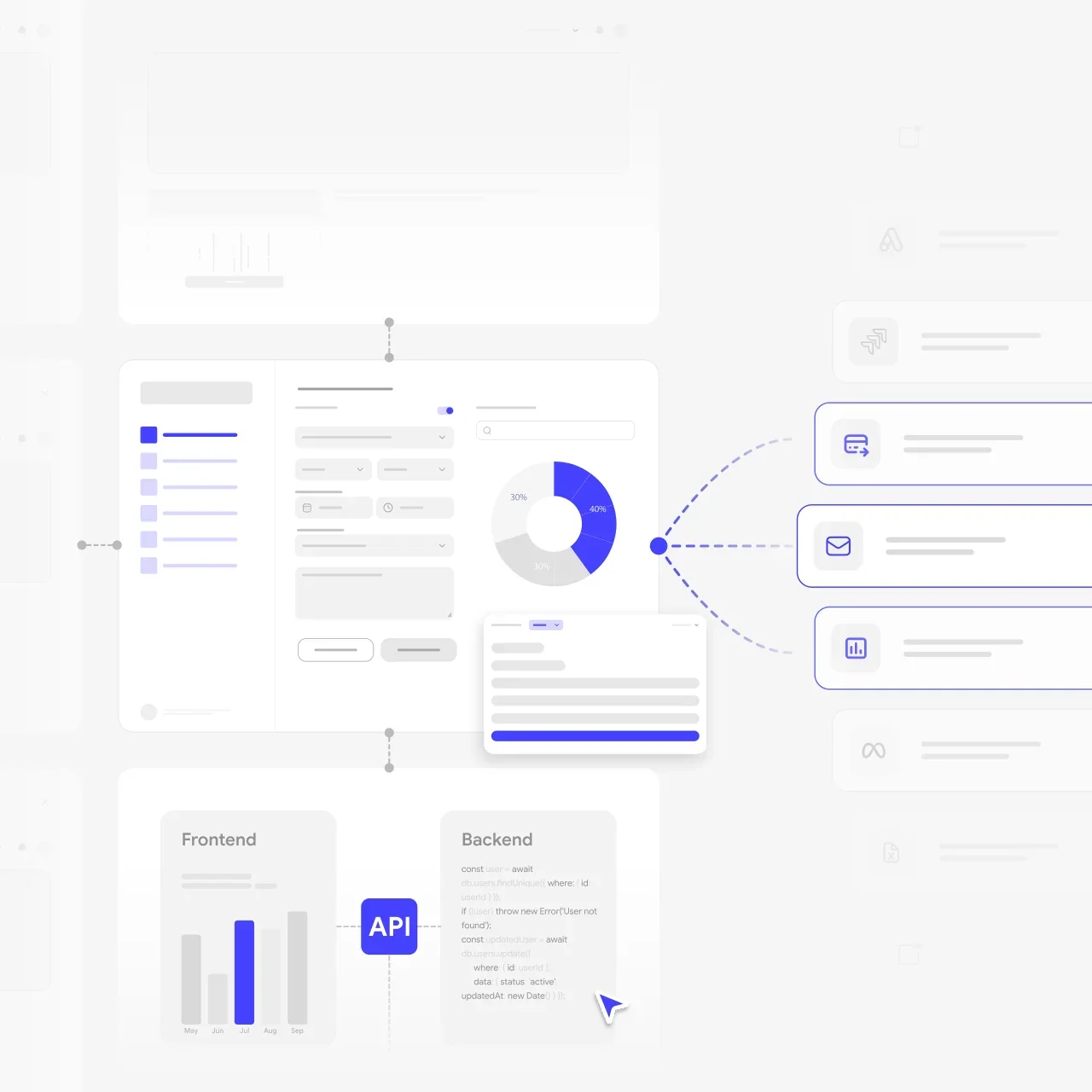
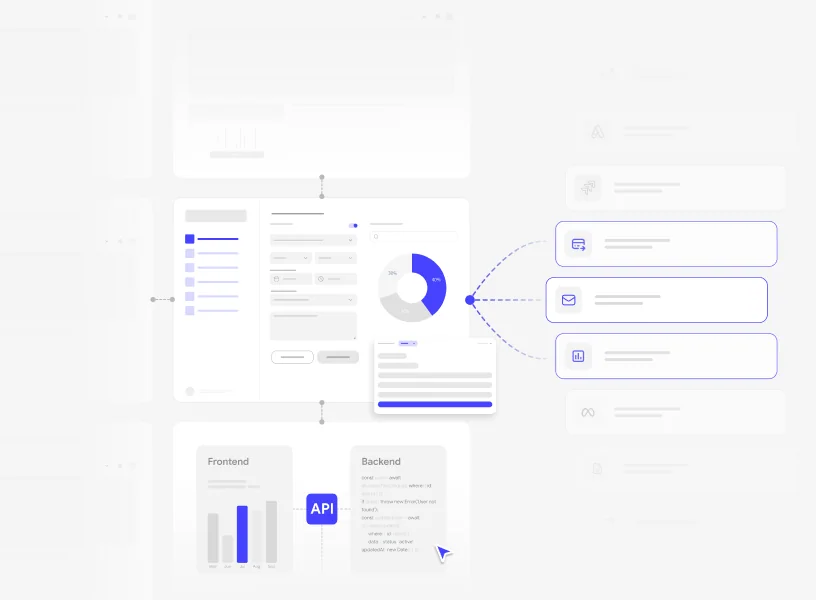
Privacy labels, permission rationale and review-proof flows for the App Store and Google Play.
Activation, conversion and retention events, plus dashboards your team actually uses.
Post-launch releases, experiments and OS updates.
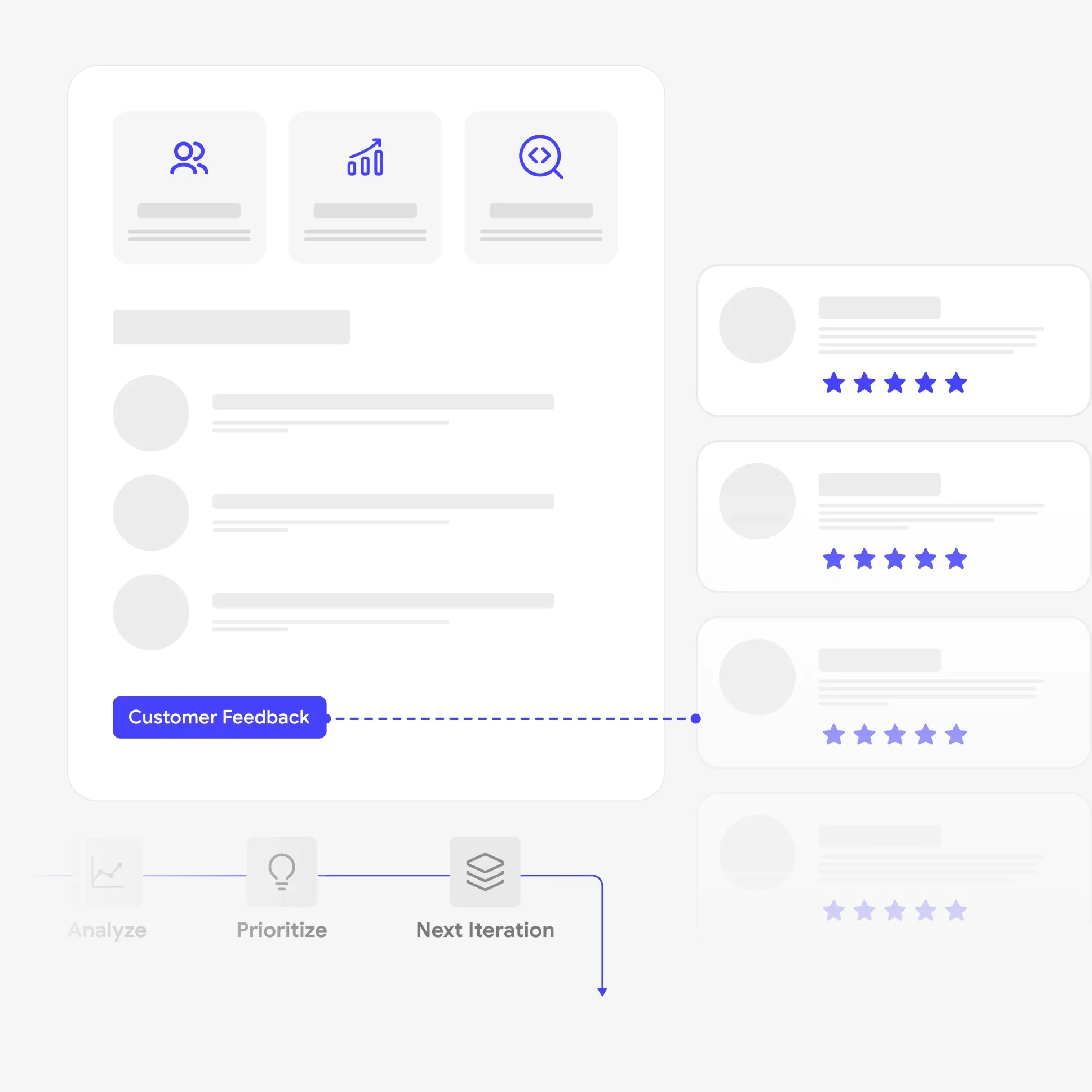
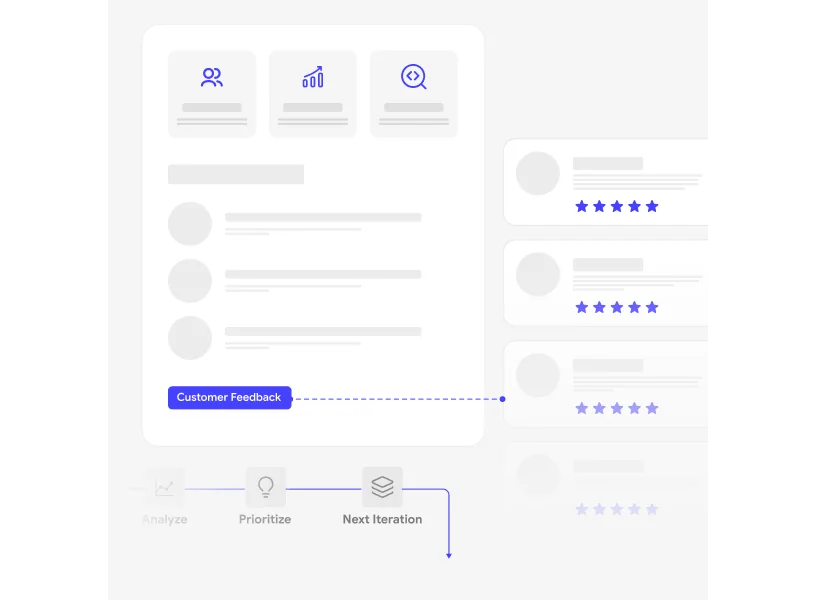
Six steps, from idea to a product people keep.
We interview the people you want to reach and take apart the alternatives they use today. The result is a clear value proposition, the core action your app must make effortless, and the metrics, such as activation, conversion and retention, that tell you whether it works.
We turn the findings into a first release that can be tested with real users: the essential flows, the platforms, the payment and integration needs, and a recommended stack. You get a written scope, a delivery plan and an estimate before any build work is booked.
Further reading: MVP cost factors
We build a clickable prototype of onboarding and the core flow at 1 week per clickable flow and put it in front of target users. Confusing steps, trust gaps around payments or data, and unclear value show up here, while they are still cheap to change.
Further reading: How to design an MVP
Design and engineering work in the same sprints on one backend and one design system. We build the mobile app, web app and admin tools, connect payments and third-party services, and show you working builds every sprint.
We test critical paths across devices and OS versions, prepare privacy labels, permission explanations and subscription terms, and submit to the App Store and Google Play. Analytics are live from the first day, so real usage starts informing decisions at once.
Further reading: Ethical consumer UX
After launch we review funnels, cohorts and feedback with you and plan releases around the weakest step, not around the loudest feature request. We also keep the app current with OS releases and store policy changes.
We choose native or cross-platform stacks per product and pair them with proven tooling for payments, analytics, notifications and AI-assisted delivery. Every choice is weighed against store requirements, performance on real phones and how easily your team can extend the product after launch.







Practical answers to the decisions that shape a B2C product.
Yes, if you are unsure users will complete the core flow. A two-week prototype is cheaper than a rebuilt release.
Read the MVP design guideExplore MVP developmentPlatforms, payments, integrations and content. Fix the first-release scope before you set the budget.
See UITOP pricingHow design decisions affect costCross-platform suits most consumer apps; native pays off for heavy device, sensor or background work.
Read the React Native guideExplore mobile app designEach page covers one kind of project. If yours is different, one of these is likely a better fit.
Health, fitness and wellbeing apps specifically.
An app for your own hardware or wearable.
Financial products for consumers and businesses: banking, payments, accounting.
You only need a first release to validate the idea.
Design only, built by your team.
Costs follow scope. A clickable prototype starts at €3,200 and takes 1 week per clickable flow. For the build, each designer or developer costs €3,200 per four weeks part-time or €6,400 full-time, based on €40 per hour, with PM and QA billed separately. A comparable web-and-mobile MVP on our pricing page cost €25,000. Send a brief and we return an initial estimate within one business day.
A testable prototype takes 1 week per clickable flow. The MVP example on our pricing page, a web app plus a mobile app with bank integrations, took 1.5–2 months of development, plus design time. Payments, third-party integrations and app-store review extend the schedule. We confirm a timeline for your scope before work starts, and we release in stages so real users see progress early.
Both. Most of our 64 delivered projects are B2B software, and that experience with complex logic carries into consumer products. Our consumer-facing work includes TangoPay’s money-transfer app, ReLounge’s back-health app and Impruvon Health’s patient app. We take on premium B2C products where UX quality decides retention, not high-volume template apps.
Our strongest fit is health, fitness and wellness, consumer finance and payments, and apps for connected devices, because our public case studies sit there. We also take on lifestyle, learning and service products when the core challenge is UX and product logic. If a vertical requires licences or certifications, we say so during discovery and plan compliance work with your specialists.
Yes. We prepare privacy disclosures, permission explanations, subscription terms and test accounts, and design flows that meet store guidelines from the start. Common rejection reasons, such as unclear data use, missing account deletion or hidden subscription terms, are checked before submission. After launch we keep the app current with OS releases and policy changes.
We choose the model with you, whether that is subscription, freemium, transaction fee or one-off purchase, based on when users reach value. Then we design the paywall, trial and cancellation flows honestly. From the first release we track activation, conversion and churn, and plan iterations around the weakest step, not around feature requests.
Yes. Many consumer products need a mobile app, a web app or landing experience, and an admin panel for your team. Our designers and engineers build all three on one backend and one design system. Pacioli, for example, combined a web app for accountants with a mobile app for their clients, synced with bank data in real time.
Yes. We document the architecture, design system and release process so another team can pick up the product without starting over. You can continue with us, bring development in-house, or combine both, for example by keeping a UITOP designer while your engineers take over the codebase. Ownership and handover terms are set in your agreement before work starts.
